
Introduction
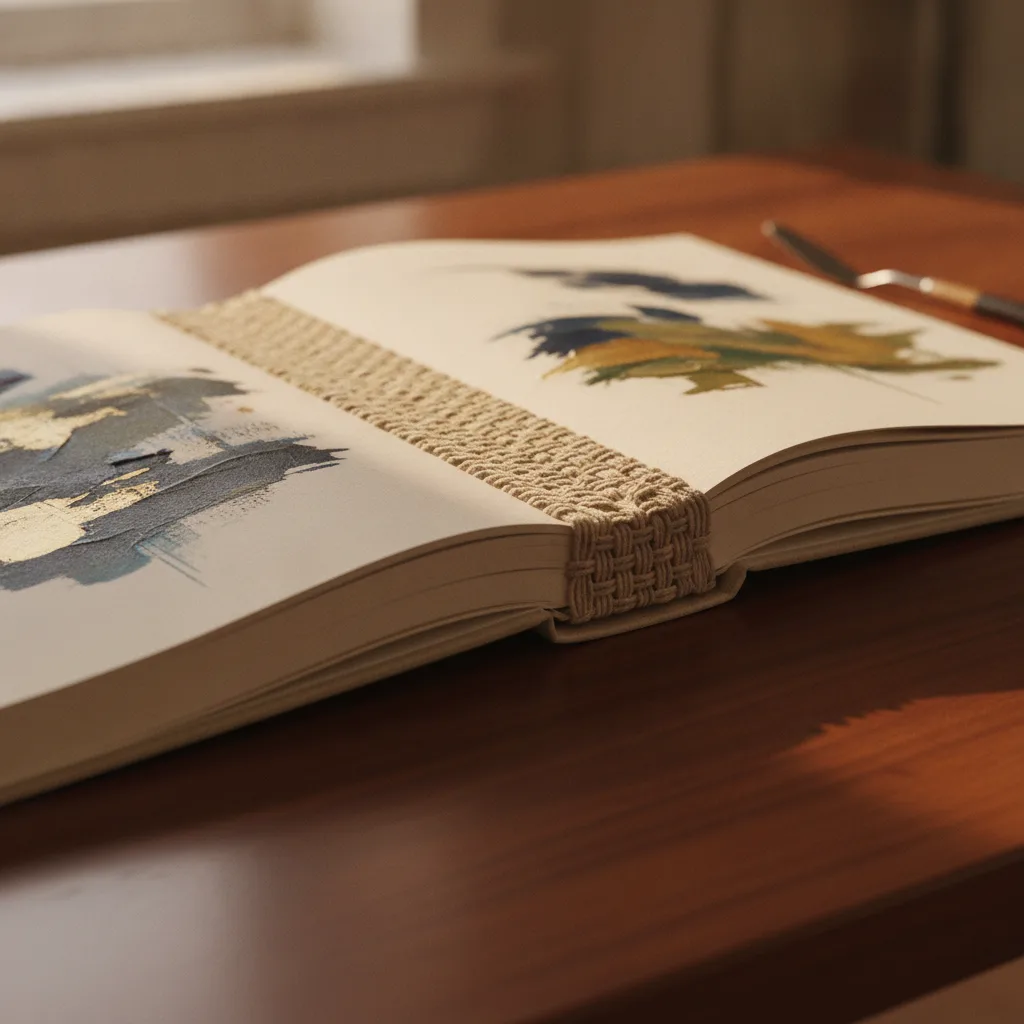
When it comes to designing a high-end work, perfect-sewn binding for an art book becomes a truly strategic choice, as it engages aesthetics, durability, and the reading experience.
For an art book or a prestigious catalog, the binding is never a mere detail. It determines the book's lifespan, reading comfort, the ease of opening double pages, and the overall perception of quality. Perfect binding has become a standard for fine books, as it combines contemporary elegance with traditional robustness. By combining stitching of the signatures and gluing of the spine, it meets the requirements of exhibitions, museums, art publishers, and luxury brands alike. If you are looking for perfect binding for an art book, understanding its principles, variations, and limitations will allow you to make technical choices consistent with your level of expectation.
Perfect bound and sewn binding for an art book: the benchmark for a beautiful book that stands the test of time
Reading time: ~12 min
- What is a perfect bound and sewn binding for an art book?
- Comparison of the main binding techniques
- Selection criteria for an art book
- The technical process of a glued and sewn square back
- Variations and finishes of the glued and sewn square back
- Why this binding has become the standard for art books
- The role of a technical manufacturing office
- FAQ
- In summary
What is a perfect bound and sewn binding for an art book?
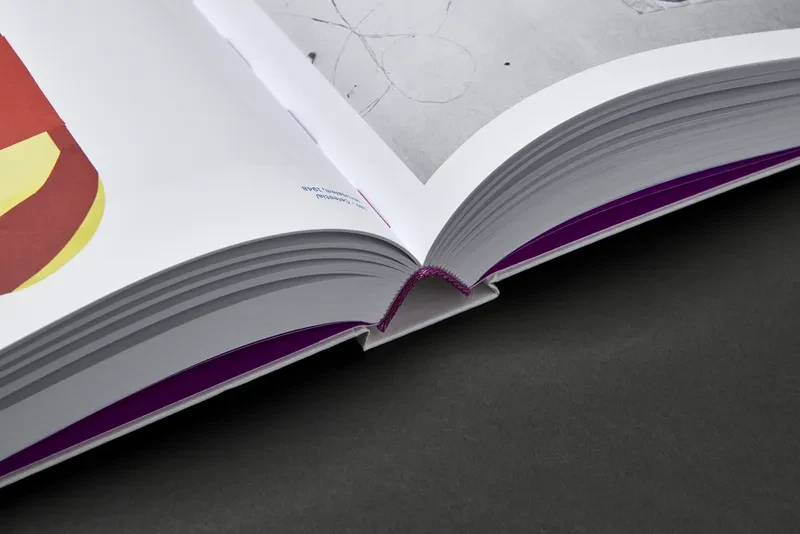
Perfect binding is a hybrid technique. The pages are first gathered into signatures, these signatures are sewn together, and then the entire spine is glued and attached to a cover, resulting in a perfectly straight edge. It lies at the crossroads of traditional sewn binding and modern glued binding.
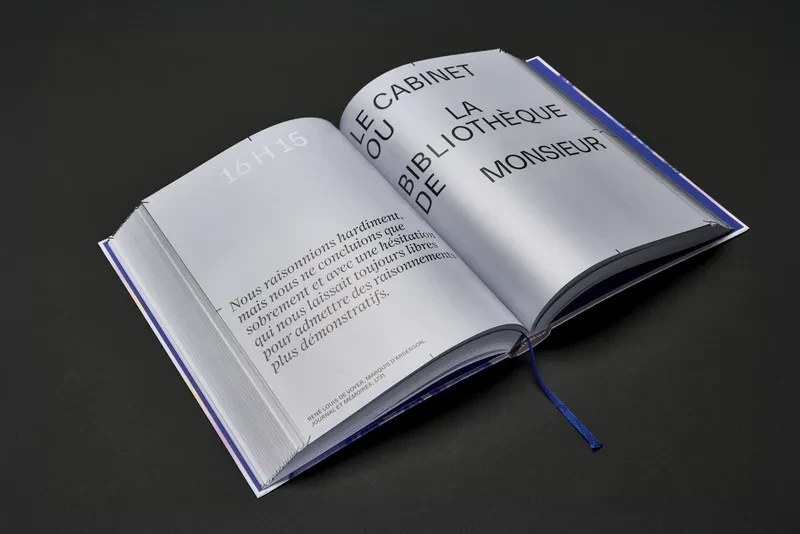
It offers three key benefits for a beautiful book:
- The stitching of the notebooks ensures mechanical strength over time, even in the case of intensive use.
- Gluing the back stabilizes the whole and allows for clean gluing onto a soft or rigid cover.
- The square back offers a clean aesthetic, ideal for printing the title, the name of the artist or the collection.
For an art book, monograph, exhibition catalog, or brand portfolio, these three dimensions (durability, openness, and spine aesthetics) are fundamental. The book must withstand repeated handling, remain comfortable to consult, and present an impeccable image on shelves or in bookstores.
Comparison of the main binding techniques
Perfect bound, sewn bound, perfect bound and sewn bound
| Technical | Principle | Benefits | Limits for an art book |
|---|---|---|---|
| Square back glued | Sheets or notebooks simply glued together and then glued to the cover | Economical, fast | Limited resistance, sometimes a steep opening |
| Soft stitched back | Notebooks sewn together, then glued to the cover | Excellent fit, very good opening | Time and cost |
| Square back glued and sewn | Sewn binding, glued spine, glued cover with straight edge | Ideal compromise: durability, ease of opening | Higher investment than a simple glued back |
In the world of art books, sales catalogs, and premium press kits, perfect binding stands out as a high-end binding consistent with a prestigious positioning. It avoids the drawbacks of standard perfect binding while offering a contemporary image often sought after by art directors.
Selection criteria for an art book
Usage and frequency of consultation
An exhibition book, a museum catalogue, or a fine collector's book is often handled many times. This requires a binding capable of withstanding thousands of openings without breaking. Sewing the signatures, complemented by expert gluing, is therefore highly recommended. For artists' books, limited editions, or works of heritage value, stable and neutral adhesives suitable for archival purposes are preferred.
Image aperture quality and readability
The way a book opens is crucial for an art book or a fine jewelry catalogue. Sewing the signatures offers a much more flexible opening than a simple glued spine; combined with a flexible adhesive, it sometimes allows for an almost flat opening without distorting the paper.
Paper, weight and grain direction
Respecting the grain direction (parallel to the spine) prevents breakage and warping. The paper weight and type (coated, creative offset, textured) must allow for folding into signatures and gluing without excessive stress. A technical production office such as Maestro anticipates these parameters from the technical prototype stage, limiting risks at the end of the chain.
The technical process of a glued and sewn square back
The major stages of manufacturing
1. Imposition and printing of shapes: the pages are organized into sections to optimize folding.
2. Booklet folding: the printed sheets are folded to form the booklets.
3. Notebook sewing: assembly and sewing with textile or synthetic thread.
4. Pressing and back preparation: tightening the block, light milling if necessary.
5. Back gluing: several layers applied to stabilize the whole.
6. Reinforcements are added: gauze or tarlatan is glued on to increase mechanical resistance.
7. Cover assembly: gluing to the spine and the hinges without blocking the opening.
8. Pressing and final trimming: pressing then trimming on three sides.
Detail of the work on the back
The book block is tightly bound, leaving the spine slightly protruding to facilitate the application of the glue, which is worked for several minutes to ensure it penetrates the edge and crevices thoroughly. One or more additional layers can be applied, allowing partial drying time between each. Gauze is then used to wrap the entire block, reducing the risk of loosening over time.
Variations and finishes of the glued and sewn square back
With or without a jaw, with or without a headband
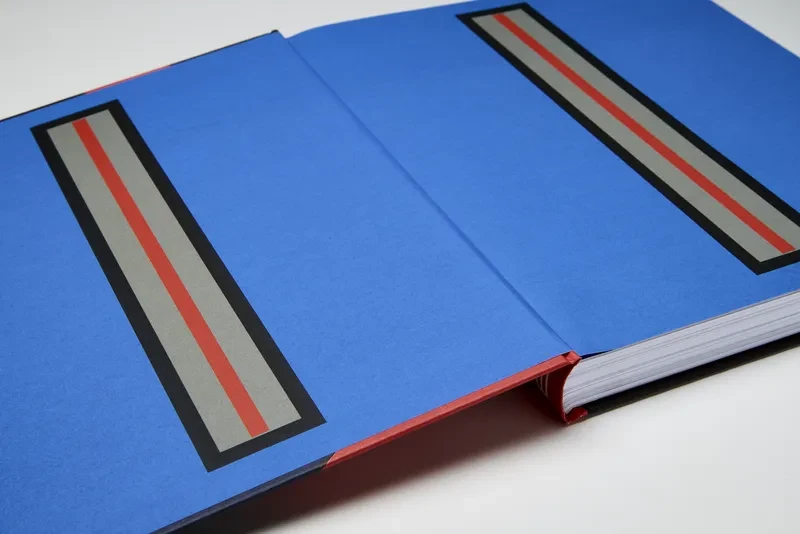
The hinges can be more or less pronounced; well-defined hinges facilitate opening and give a sophisticated look. The addition of headbands reinforces the high-end character and slightly protects the spine. Finally, the binding can be fitted with a quality soft cover or hard boards for an even more prestigious finish.
Association with creative papers and embellishments
The stability of the sewn and glued block easily supports the weight and tension of an embellished cover: high grammage creative paper, hot foil stamping on the spine, discreet embossing or matte/soft touch lamination harmonize perfectly with this binding.
Why this binding has become the standard for art books
A response to sustainability challenges
Mechanical resistance of the stitching of the notebooks, stability of a properly prepared glued spine and compatibility with materials suitable for archiving.
A comfortable reading experience is essential for showcasing the works.
The flexible opening allows for viewing double-page images with minimal loss in the fold, without having to bend the spine. The book lies relatively flat on a table, making it easy to consult. gallery, during a business meeting or event, or integrated into a publishing project more global.
The role of a technical manufacturing office
Choosing a perfect-sewn binding is a technical and strategic decision; it must be considered in conjunction with paper engineering, photogravure, printing, finishing, and logistical constraints. A production office like Maestro accompanies the definition of the project, validates technical compatibilities, manages production (specialized sites in Italy and China) and secures deadlines and quality, a crucial point for launches linked to an exhibition opening, a Fashion Week or the end-of-year holidays.
FAQ
Is perfect bound binding essential for all art books?
Not necessarily, but it's recommended whenever a book is intended for a long lifespan, repeated consultation, or a premium positioning. For a small event catalog, a simple perfect binding may suffice; for a monograph or brand catalog, a sewn binding protects the editorial investment.
Does this binding allow for a truly flat opening?
It offers a very good opening and can almost lie flat, especially with well-adjusted jaws and flexible glue. If a perfectly flat opening is critical, other solutions exist, but for most art books, the result is more than satisfactory.
What impact will this have on manufacturing costs and lead times?
The addition of stitching and reinforcements adds extra steps; therefore, the cost and time are slightly higher than with a simple glued back. The difference remains moderate compared to the added value in terms of robustness and premium feel.
Is this binding compatible with limited edition print runs?
Yes, it's suitable for large print runs as well as the smaller print runs typical of art editions. The important thing is to calibrate the format, pagination, and cover so that the budget remains consistent; discussing this with an expert manufacturer beforehand helps to find this balance.
In summary
Perfect binding combines robustness, ease of opening, and an elegant spine. Carefully considered from the initial paper engineering stage, it enhances images, ensures successful launches, and reinforces the perception of luxury for a brand or institution. To delve deeper into the production of your high-end publications, discover Maestro's expertise: https://maestro-manufacture.com/edition/