

The offset retinature is one of the most decisive technical variations in the print of high quality, it is thin or not included in the design phase. Note the right frame (retinature offset choice of printing frame, for use with an international distribution formula) not a secondary aesthetic question: direct influence on the quality of the image, the stability of the colors, the resistance of the smoke and the consistency of the final result of the card.
In an editorial plan or di luxury packaging, an error in the offset retinature of the printed frame could compromise my creativity. This item looks like it works on the retinature in the offset print, as it differs in the main aspect of the retino and in the orientation of the program, the support and the quality of the prints.
Retinature offset | come scegliere la trama giusta
Reading time: ~8 min
- How does the retinature in the offset stamp come into play?
- Retino AM and retino storage: different technologies and applications
- How to adjust the line size for a luxury offset stamp
- Angoli di retino and avoid the moiré effect
- Dot gain and calibration: the process variability remains constant
- Test of stamp and workflow: to validate the initial retinature of the print
- Offset retinature is the foundation of stamp quality
- FAQ
How does the retinature in the offset stamp come into play?
The retinature is the process that allows you to simulate the image of a continuous image across a discrete frame. If the offset stamp is not directly reproduced in the tonal gradation, such as an analog photo, the system is composed of images in a grid of variable dimensions: the point is large, the area appears small; dove è piccolo, appear chiara. This principle is the basis of the modern offset processing process, as codified in it.’Enciclopedia Treccani della Scienza e della Tecnica.
In final technical terms, the retinature if misura in line per centimeter (l/cm) oppure in line per pollice (lpi). Treccani indicates che, the practice of the offset, if used linearity compressed from 60 to 80 lines per centimeter To obtain an optimal stamp. The digitally incised lens at 2400 dpi allows for more finished lines, guaranteeing a precise resolution in the mezzitono area. The resolution of the image in the ingresso must be consistent with the current line: an empirical regulation consolidates the settore prevede che the resolution in dpi if it also adds the value of the espresso line in lpi.
Retino AM and retino storage: different technologies and applications
This is due to a large family of retina nature using the offset stamp: the AM retino (amplitude modulation) and the FM retino, both of which are stocast retino.
He retino AM, also conventional retino, it is the most broadcast system. Dispone di retino on a regulated grid, with constant frequency and variable size in operation of the tone. This standard operating standard is part of the offset printing workflow and guarantees great stability and predictability of the results, especially on the patina. The main limit to the sensitivity of the moiré phenomenon is that visual interference is manifested when the angle of various channels is not properly calibrated.
He retino stocastico, invece, distribuisce point di dimensione costante in casual or pseudo-casual mode on the surface, there is a small size. This irregular distribution almost completely eliminates the risk of moire and reduces the finished texture and delicate tonal transition. This is particularly indicated for the reproduction of high-quality photo images, for the packaging with small packaging or for the richly printed stamp with a quasi-photographic image. Furthermore, the stolastic retina is more sensitive to the dot gain and has a more precise stamp calibration and a more rigorous process control.
There is also a third category, i retini ibridi, you can combine the regulated structure of the AM retina into a mezzotone zone with the stocast distribution of high light and deep shadow. This solution tends to offer a better understanding, but it is rich in an advanced workflow and a collaborative effort between the technical and machine operators.
Comparative tab: retino AM, stocastico and ibrido
| Characteristics | Retino AM (conventional) | Retino FM (stocastico) | Retino ibrido |
|---|---|---|---|
| Distribuzione punti | Regular Grill | Casual / pseudo-casual | Mista per zona tonale |
| Dimensione punti | Variabile | Costante | Variable and constant |
| Frequenza | Constant (l/cm or lpi) | Variabile | Mista |
| Rischio moiré | Medium alto | Molto basso | Basso |
| Sensitivity to dot gain | Moderata | Alta | Moderata |
| Stability of printing | Alta | Richiede calibrazione precisa | Alta con workflow avanzato |
| Typical applications | Catalogs, standard packaging | Fotografia, lusso, sfumature finished | Editorial d’arte, premium packaging |
How to adjust the line size for a luxury offset stamp
Fattori che influenzano la scelta della lineatura
The quality of the line is not as good as it should be: it depends on a fat combination that includes stamp support, rich quality, product type and process conditions. Una WAN-IFRA technical guide dedicated to the offset stamp You will be able to make a quicker method approach: evaluate the current workflow, correct any process errors, create a representative test form and confront various linearities first to add a definitive configuration.
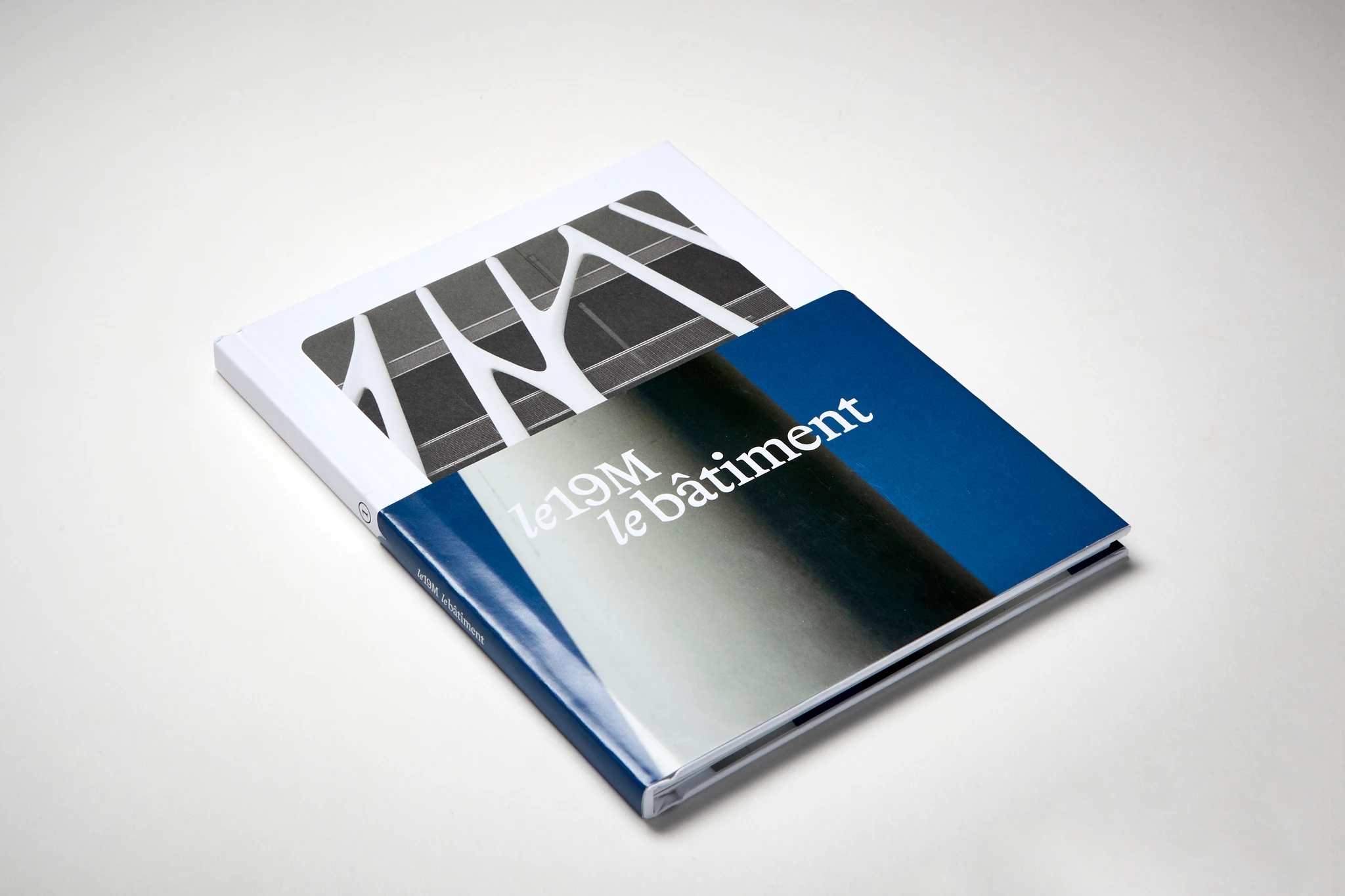
For the stamp on the patinata lucida or semilucida, tipica dei cataloghi d'arte, dei libri fotografici e del packaging di alta gamma, lineature tra 70 e 80 l/cm (equivalenti a circa 175–200 lpi) guaranteed to have a fine and dettagliata resa. On the natural map, offset or riciclate, the amount absorbed by the inchiostro requires lineature higher content, generally tra 54 and 70 l/cm, to avoid that I point if excessively spread and compromise the nitidezza. It does not support any special packaging material, such as technical cardboard or structural card, it must be verified with a form of testing in real production conditions.
Important — The ideal line for a packaging design or a luxury editor is not stable on the table: it is validated with a test stamp on the machine, with the constant pressure and the final shape supported.
In Maestro Premium Printing, the definition of retinature is part of the cartridge engineering process that precedes its production. Our technical team analyzes the specification of the program, the type of support and the conditions of the machine to accommodate the optimal configuration, if the production is available in Italy if it does not supervise our stable partner in Cinema, the ambition of our service is doppia production Italia–Cina.
Angoli di retino and avoid the moiré effect
The four-color offset stamp (CMYK) must be printed with a variety of retinal angles to avoid graying if it appears and generates visual interference. The traditional angle has a variety of colors: it is black, typically positioned at 45 degrees, while the color is slightly visible in all the colors, light blue, magenta and black colors complement each other. When this angle is not properly calibrated, or when the offset screen is not cut with the necessary precision, if it manifests itself, a wave effect or rosette is visible on the naked eye which will irremediably compromise the perceived quality of the stamp.
The stolastic retinal eliminates this problem on the radice, poiché the assenza di una grglia regolare render impossibile the interferenza tra i canali. However, in the case of the AM camera, a rigorous workflow — including color separation and color correction in the RIP mode — is sufficient to prevent moisture in large cases.
Dot gain and calibration: the process variability remains constant
Che cos'è il dot gain in practice
It does not gain, it allows you to increase the point of the image during the stamp, and it is one of the most critical windows in the management of the offset image. When the handle transfers from the side to the side and to the support, it tends to expand slightly and rises to its theoretical dimension. This is why, if not compensated in this case, produce a stamp more secure and less than expected, with lost information on the shadow and the color zone on the right.
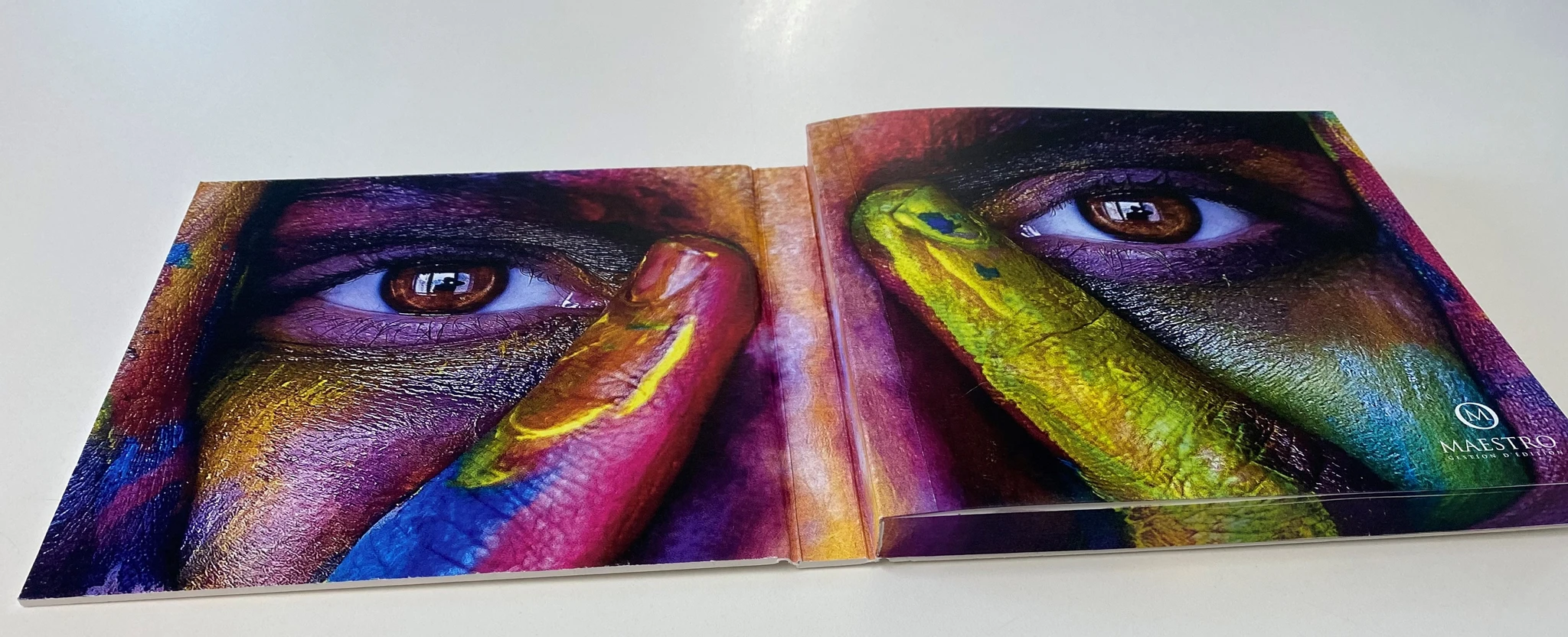
The international standard ISO 12647, which regulates the process parameters for the offset stamp, defines the value set by the dot gain for various types of support and stamp conditions. A calibration of the stamp corretta, which contains the prevised dot gain and the compensation in the case of RIP or the correction of the tone curve, is essential to have a fedele resolution all the specifiche of the program. It allows you to adjust the color control in phase of separation, and another variable correlates with the final result, especially in the contact area of the various colors.
Good to know — The standard ISO 12647-2 defines the value of the index by the dot gain in the offset stamp on the patinata and non-patina card: it is accepted at the base of the certified stamp process and is ripe at the same time.
Test of stamp and workflow: to validate the initial retinature of the print
The test form validates the test result
Nessuna scelta di retinatura dovrebbe essere essere considerata definitiveiva senza a verifica pratica practica in condizioni reali. The WAN-IFRA guide provides a structured approach in four stages: analyzing the workflow to identify eventual criticality, correcting process errors, creating a test form representing the actual project and confronting the resulting results with various configurations of the image before the final draft is made.
A test form that is designed includes image and color gradients, color gradients, delicate transition zones and piccolo body tests. This element allows you to visibly and clearly value the retinature, identify any possible moiré problems, do not gain excessively or lose losses, and provide the necessary correction if necessary for production.
In Maestro Premium Printing, this stamp is a non-negotiable part of the product process. First of all, our technical team validates the test form with the client or with the artistic director, documents and settings of the stamp and guarantees the re-readability of the result of all the drawings, if it is drawn from an art catalog, from a packaging by a house of jewelry or from a cofanetto by an edition limitata. To understand our real plans, visit our website galleria di progetti premium opure contact a personal technical consultant.
Offset retinature is the foundation of stamp quality
The offset retinature is more important than a technical setting: it is the invisible foundation of your skin if the quality is visible when you print it. Save the correct frame, calibrate the process, test in real conditions and contact a partner who will physically supervise the sound production to distinguish a high quality stamp from a mediocre result.
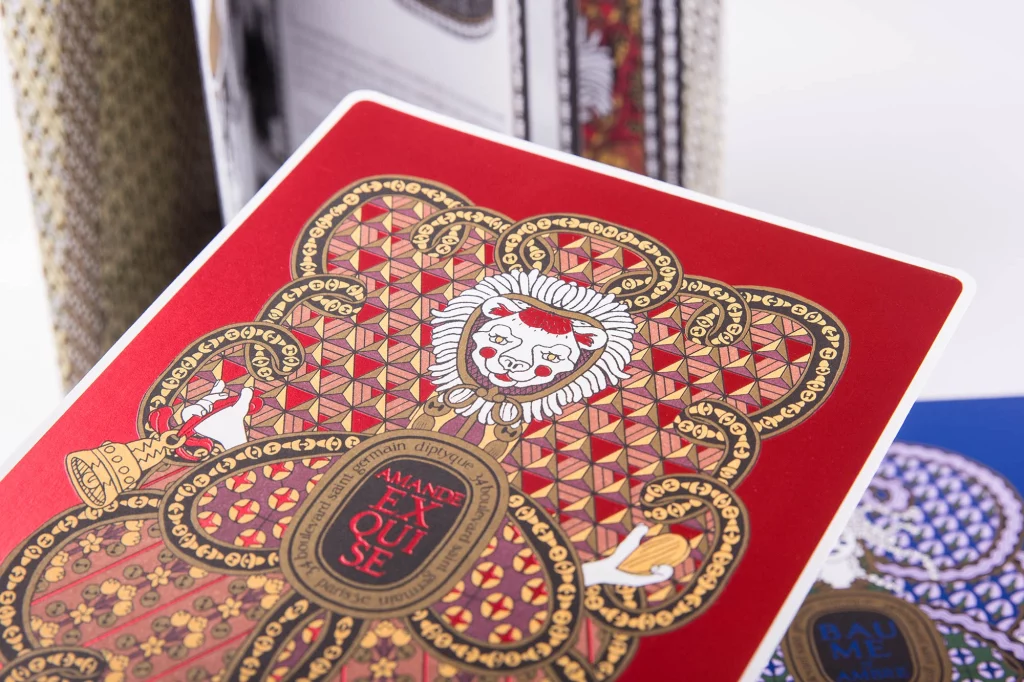
In Maestro Premium Printing, the padronanza of the offset retinature - of the frame printed with the validation of the visto stamp - is part of an integrated approach that accompanies ogni progetto dalla prestampa alla consegna, in Italy and in Cinema. Scopri di più sui nostri servizi di high quality editorial stamp where we explored the dedicated solution premium design and packaging.
FAQ
What is the difference between the image and/or the retinature offset?
Lpi sta per linee per pollice el/cm per linee per centimetro: sono due unità di misura de la lineatura di retino. When converted, 1 l/cm is equivalent to approximately 2.54 lpi. A line size of 70 l/cm corresponds to around 178 lpi, a typical value for the high quality offset stamp on its patinated paper.
Is the stolastic retina ever better than the conventional retino?
Not necessarily. The stolastic retin offers a significant advantage in the finish and removal of moiré, with a more rigorous process calibration and a stamp machine at the same time. In dispute with the stability and the repetibility of its priority, it retino AM conventional makes it even more reliable.
How do you calculate the resolution of the image in the correct line function?
The general rule governs the resolution of the image in dpi even if it adds value to the espresso line in lpi. For a stamp at 175 lpi, the image taken will have a minimum resolution of 350 dpi for the final stamp dimension. Immagini a lower resolution produces a morbid resa or pixelata, regardless of the quality of the retina.
Could moiré also compare its digital stamp or solo on the offset?
There is a slight signal that interferes with the regulated frame and can be displayed in the same stamp system when using a standard image, including some digital stamps. However, the offset stamp has four colors and is particularly critical when it comes to handling four separate channels, with the right angle of the retino.
What happens if the gain is not compensated in the event of a presumption?
A non-compensated gain produces a stamp systematically more secure and more saturated according to the specific nature of the program. The area of the shaded tendon has a slight impact, although it may cause more damage than expected. This effect is particularly clearly visible on the absorbent support or in the conditions of the print with perfect accuracy.
Is there an international reference standard for offset retinature?
If. The ISO 12647-2 standard defines the process parameters for the commercial offset print, including the value of dot gain, the density of the incisions and the processing conditions. Rispettare this standard at the base to guarantee the repeatability of the results and the consistency that proves the stamp and final print.