
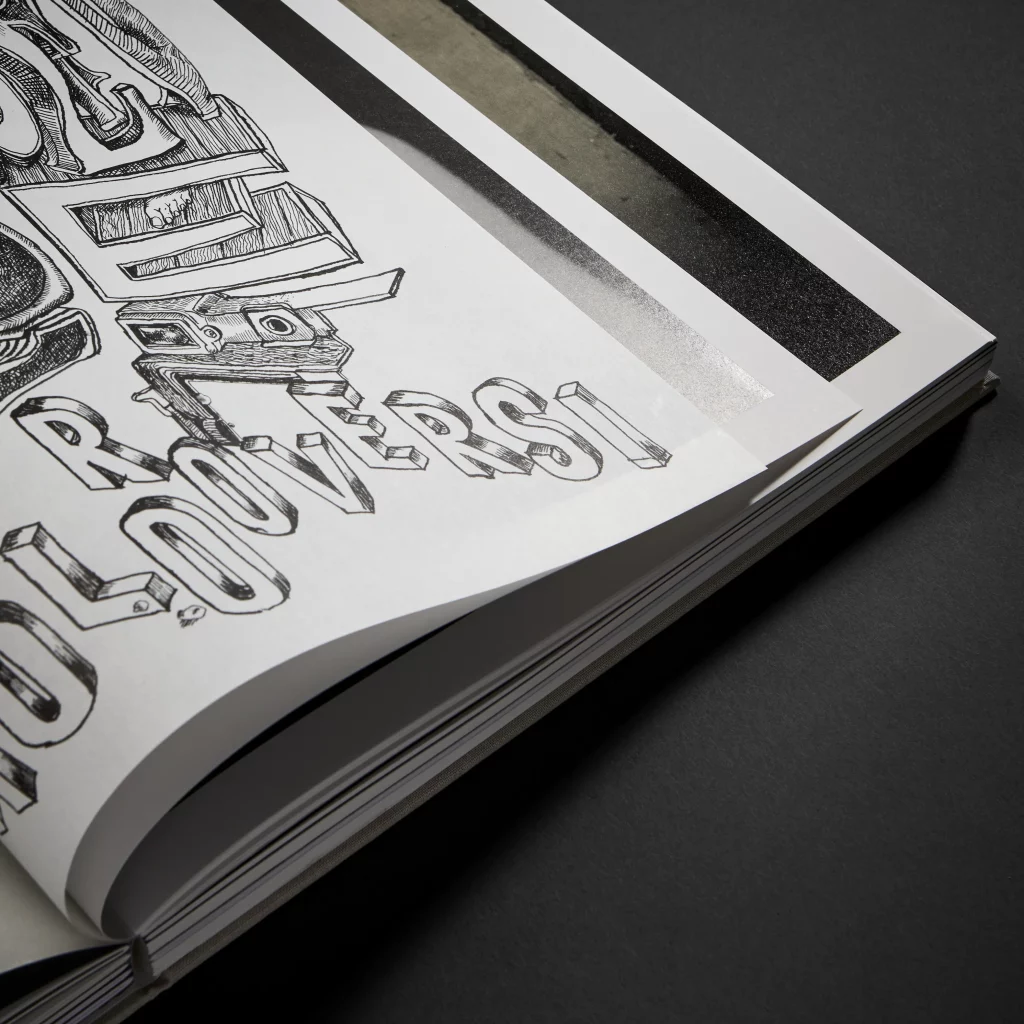
The quality of an art print is not born on the foglio: it is born in the first place, in a way that is invisible to the public, my determinant for the final result. Photoengraving and professional photography, in the various ways of preparing the art print, represent the insieme of the technical operation that translates a creative intention into a reproducible image with precise precision.
If you have a museum catalog, a limited edition of high color or a fine-art photography portfolio, you can select the composition in this form if it translates directly into the color image, the depth of the black and the tonal depth of the oggetto stamp. In this article we analyzed the professional photography process for the preparation of the art print, the construction of the photo positivity at the end of the last incision, with a deepening of the photoengraving process and its report with the contemporary printing technology.
professional photographer | how to prepare the art stamp
Reading time: ~9 min
- It is because the photographer is professional and perched that it is decisive
- The professional photography method and preparation for the art print
- The photoengraving process: simple technology from the side to the torch
- Traditional photography vs. traditional CTP: differences between pressures
- Polymeric photoengraving: the modern evolution of technology
- Photoengraving, lithography and serigraphy: how they distinguish
- Practical checklist for commissioning an art print
- Technical competence at the center of the stamping process
- FAQ
It is because the photographer is professional and perched that it is decisive
In the language of the print, the photo ends with a transparent support, generally on a film in polyester, which is then returned to the image where it is tested to transfer to a stamp matrix. In ambito serigrafico, This film is used to protect the film and create the permeable and waterproof zone throughout the inch.. In ambito offset, the photo has progressively shifted across the CTP (Computer to Plate) screen, produced directly from the digital file through the film. In this case, the quality of the photo or the lens depends on the precision of the correct file, the correct color separation and the calibration of the photosensitive emulsion.
Professional photography services for the art print
A professional photography service offered by a specialized Italian real estate company includes image file control and control (preflight), color management with ICC profile dedicated to print support, line and retinature verification, color production contract and final film output. lastra. This is an interdependent error: an error in the color profile if amplified in the separation of colors and irrecoverable damage occurs when the side is cut or the film is printed.
It is important not to confuse the photo by stamp with the photolithography used in microtechnology for semiconductor production. The ultimate goal is a wafer patterning process that uses a chemical photoresist and a lithograph mask to define an integrated circuit on a micrometric scale. This technology includes the principle of ultraviolet light, but it belongs to a completely separate industrial sector.
The professional photography method and preparation for the art print
The contest between fine art and dell prints’editoria di alta gamma, the professional performance if it is written in a sequence of works that needs to be done with strict methodology. Please produce a verifiable result in the following conditions.
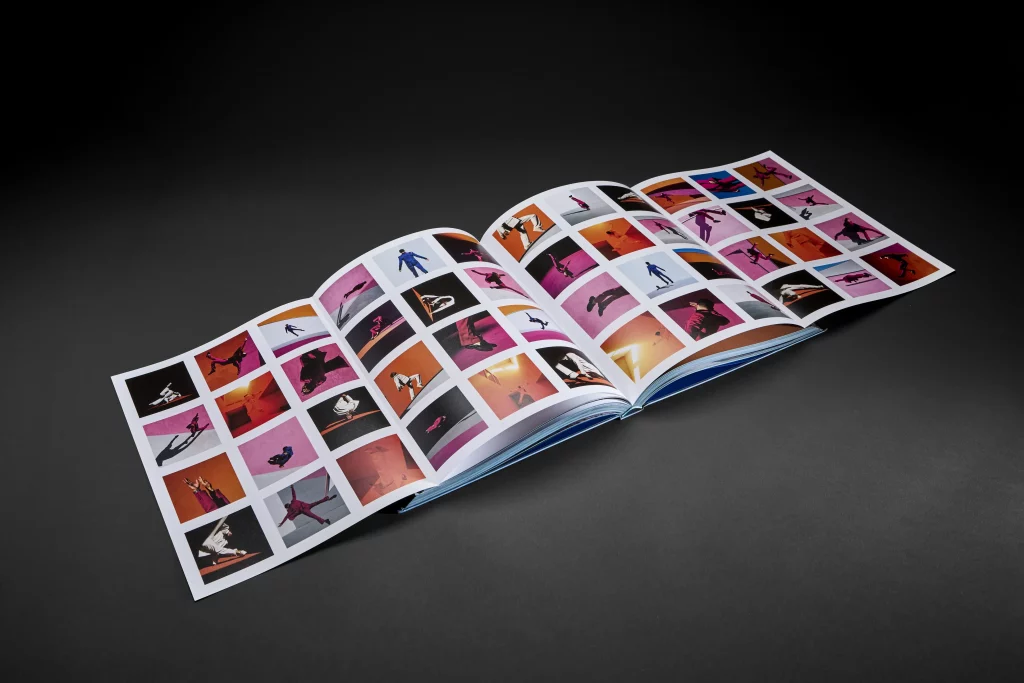
The process of cleaning the flusso di prestampa professionale
First step — Acquire and prepare the correct file. The digital file is analyzed to check the effective resolution, the color mode (RGB or CMYK), the presence of the ICC profile incorporated and the correlation of the color spacing. In this case, whether individual or the tonal gamma is available and whether it is worth imagining it with a color retouch first of all.
Second phase — Color management and separation. It has been converted to the specific color profile of the machine of the stamp and the card support provided. The separation of colors produced by CMYK channels (special color channels are anticipated), these quality will not be transferred to a separate channel. The scelta della lineatura, espressa in linee per centimetro o per pollice, determina la finezza del retino e la resa delle mezzatinte.
Third phase — Produzione della prova colore contractualizzata. First of all, proceed to the final output, produce a proof of your certified card and simulate the resulting result in stamp. This proves the contractual value: he commits the approval with the visto stampa, and the stamper is obliged to replicate between the agreed agreement.
Quarta phase — Output su film o lastra CTP. In the case of a traditional photo, it is printed on the film in polyester with an image setter, producing a negative or positive image with high contrast. In the case of the CTP light, it transfers directly to the laser light aluminum light, eliminating the film's physical passage and reducing error variability.
The photoengraving process: simple technology from the side to the torch
Photoengraving, known in Italian as eliogravure or photocalcography, is a technique of stamping on the side of the frame that combines a photographic phase and an incisorial phase. Sviluppata in the 19th century through the Talbot-Klíč process, it is also considered a photographic stamp technology more refined by the depth of the black, the continued tonal quality and the tactile quality of the image stamp, ed is defined by the Getty Conservation Institute as a technology Photographs are stored more stable at the time.
The main mode of the photoengraving process
The following process follows the main sequence:
- Preparing the positive photo for all purposes: If you start with a negative original film, if you shoot a positive film with a calibrated density gamma, you can transfer the tone gradation correctly on the side.
- Sensitivity of carbon tissue: A fog of gelatin pigment comes immersed in a solution of potassium hydroxide (circa 3.5% in alcune formulations), then asciugato on a surface smooth like acrylic.
- UV exposure below the positive: The positive photo comes in contact with carbon tissue sensitivity and the sandwich comes in contact with ultraviolet light. The intensity of the spray determines the degree of insolubility of the gelatin in various areas, translating the scale of the density of the positive gelatin spessori.
- Preparation of the rear side of the frame: the screen must be perfectly pulitamente and lucidata, with borders smussati. If you deposit a grana of acquatinta (rosin or bitumen), it is necessary to allow the particle to resist the acid, allowing it to increase its tone in the incision.
- Transfer of carbon tissue across the back: The tissue is then applied to the bottom of the bottle under water, press to remove the bottle of aria, and the paper holder comes in contact with water, lasciando on the bottom of a layer of gelatin pigment with variable spessore.
- Sviluppo della gelatina becomes resistant: a treatment in aqua calda dissolves the gelatin evenly, and the more it is applied, it will mask the tone proportionally to the tone of the image.
- Incision in bag of iron iron: the screen is immersed in a sequence of bags with decreasing concentration, measured in Baumé gradation. I have more concentrated corrodono so that you are more safe (but it does not protect the gelatin), creating a variable depth of cavity to adjust the depth in proportional mode.
- Inchiostrazione and calcographic stamp: lastra viene pulita, inchiostrata con inchiostri calcografici e stampata su carta (spesso umida) con un torchio calcografico. The pressure presses the card into the incised cavity, transfers the incision and restores an image with ampia tonal gamma and an incomprehensible tactile quality.
Important — The density of the black on the photo or on the positive photo is a variable critical in all the photoengraving process: an insufficient density of the shadow compromises the depth of the incision and irrecoverably reduces the resa dei scuri nella final stamp.
Traditional photography vs. traditional CTP: differences between pressures
The transfer of the photo from the film to the CTP side shows a more significant change in the professional story. The difference is due to the accuracy of the record, the number of process variations and the reproducibility of the result.
| Criterio | Fotolito su pellicola | Lastra CTP |
|---|---|---|
| Processional passages | File, imagesetter, pellicola, lastra | File, laser diretto su lastra |
| Variabili di errore | More elevate (sviluppo film, contact lastra) | Ridotte (direct digital process) |
| Registration details | Depending on the quality of the contact | Molto elevata, controlled digitally |
| Fedeltà cromatica | Buona, my dependence on the density of the film | Excellent, with dedicated ICC profile |
| Typical applications | Serigraphy, photoengraving, traditional techniques | Commercial and fine art offset stamp |
| Production cost | Further elevating for short tirature | More efficient in media and alte tirature |
After the serigraphic stamp, the film of the photo is an essential instrument: it is used to hope for the film and to create the permeable and waterproof zone all the way. The quality of the film, ultimately the density of the black, the resolution and the correctness of the record, directly determine the quality and the color precision of the serigraphic stamp.
Polymeric photoengraving: the modern evolution of technology
Accanto the traditional photoengraving on the frame, if it is neglected over the last decade a variant that uses the photopolymeriche at the post of the frame. In this process, the photo is digitally stamped on the transparent film, then it is posted on a photopolymeric lens that is sensitive to light. The lastra is delicate in water, after the use of ferric iron, and it comes every inch of the way and stamps it on the torch in analogous mode with the traditional incision.
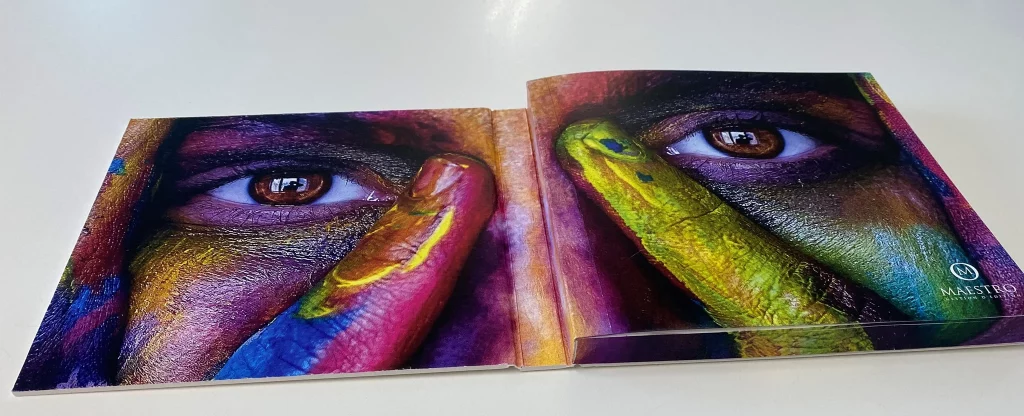
This variant is particularly appreciated by artists' studios and laboratories specializing in pictorial drawing, perché offers a more simple workflow, even more compatible with non-industrial environments. The tonal quality is the same as the photoengraving on the frame, but it is also the purist of the traditional technique, it differs in the depth of the black and the superficial texture of the immagine stamp.
Da sapere — The photoengraving of its polymer is not rich in iron chlorine born in fine water: it makes it accessible and a laboratori is attracted by the management of aggressive chemical materials, purely maintaining the quality of the fine-art stamp very high.
Photoengraving, lithography and serigraphy: how they distinguish
This technical product belongs to the family of diverse stamps and produced visually and distinctly detailed results. Photoengraving is a calcographic technique: the incision of the cavity incised on the side is transferred to the card by direct pressure. Litografia is a planografic technique: if it is based on the principle of the repulsion of the grass and it acquires a surface area (limestone or aluminum plate), it should be incised. The screen printing is a permanent technique: the inch passes through the mesh of a telaio an unprotected area of the emulsion.
Our technology produces a specific color and texture. The photoengraving is insuperable for the resa dei toni continui and the depth of its neri, characteristics which render the scelta preferred by the editorial photography fine-art and per the limited editions of high gamma. The artistic lithography offers a quality of text and a sensitivity to color so that you can appreciate the original graphic art. The screen printing exceeds the color saturation and printing capacity on non-surface areas, inclusive. three-dimensional packaging and specialized materials.
Practical checklist for commissioning an art print
If you commission a fine-art print or a high-end editorial project, you must check the basic parameters first before producing the product. An accurate preparation in this case drastically reduces the risk of damage, delays and delusions of the final result.
I will check it first by sending it to a professional sound camera service and follow these instructions:
- Dissolving effects of the file: almeno 300 dpi for the final print dimension, confirm that the resolution is not artificially increased in post-production.
- Profilo colore incorporato: The file must contain an ICC profile corresponding to the color space of the color (Adobe RGB 1998 or ISO Coated v2 for the offset stamp).
- Gamma tonal: check if the shadow is not visible (point black too high) and if the light remains intact (point bianco not bruciato).
- Separazione dei colori: per program with Pantone colors or tint of piatte, explicitly indicates the channel performance and the relative coloring.
- Prova colore contractualizzata: Please ensure that you have a proof card on your final approval certificate, and confirm that your stamp only has been verified in conditions of standard D50 light.
Technical competence at the center of the stamping process
In Maestro Premium Printing, the preparation phase is integrated into the technical consulting service at the start of the program. The route of the Technical Manufacturing Company means not limited to receiving a file and producing a screen: if it analyzes the creative intention, if it verifies the technical compatibility with the support system and if it anticipates the initial criticism of the problem in print.
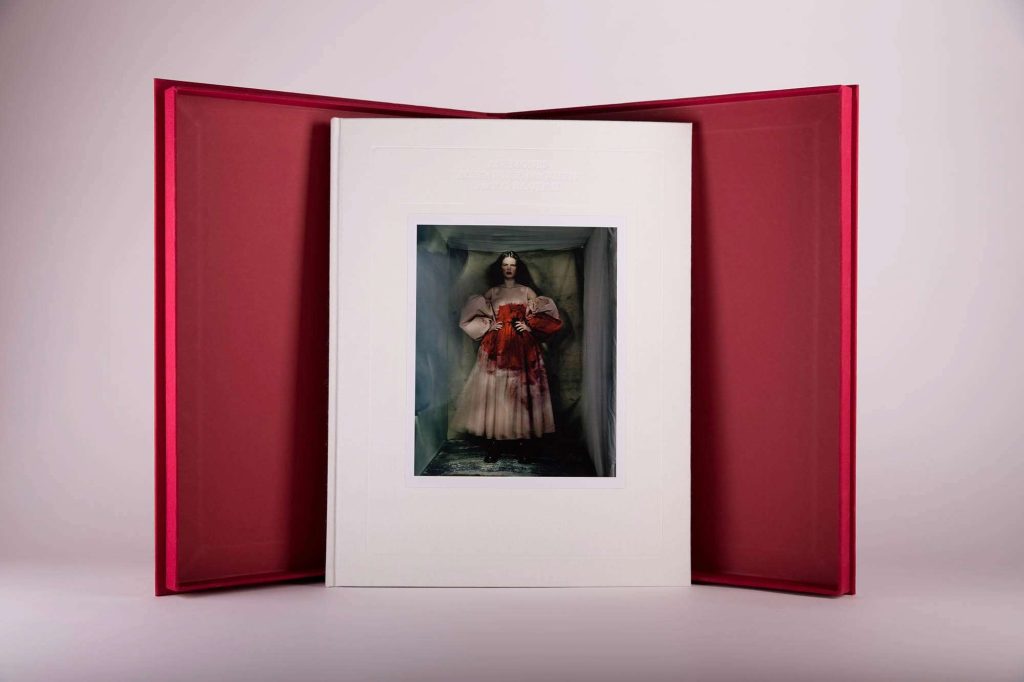
For fine-art editorial projects and high-quality packaging, you can view our real estate products Galleria dei Progetti o Contact directly for a technical evaluation del vostro progetto.
Verso una stampa d’arte consapevole
Riepilogo delle scelte decisive in prestampa
The professional photograph and the preparation of the art print do not have sound operating accessories: the sound is at the moment and the quality of the final result is defined or compromised. From the calibration of the positive photo to the light of the line, the size of the acquatinta has been removed from the ferric iron of traditional photoengraving, and the technical decision has a direct impact and can be applied to the print. Understand that this is how I allow you to commit to dialogue with a high level of awareness with the owner, to ensure that the request is correct and that you understand the difference between a professional photography service and a standard production service.
FAQ
What is the difference between elioengraving and photoengraving?
The final indication is the current process: the photo stamp is attached to the side of the frame second to the Talbot-Klíč process. In Italy we use more specialized eliogravure to improve the technical history, especially photoengraving and it ends up internationally more widely distributed in the contemporary fine-art contest.
How much does the black density of the photo affect the quality of the print?
The density of the black on the photo or on the positive photo is a critical variable: determines how deeply the iron color affects the safe area of the frame of the photoengraving, and how little you will see the image transferred to the silkscreen. An insufficient density produces stampe piatte, deprived of contrast and shadow.
Is carbon tissue so important in the photoengraving process?
The carbon tissue has a pigmented gelatin fog, sensitized with a potassium hydroxide and exposed to a UV light under the positive photo, creating a mask with variable speed along the side of the frame. This difference in speed allows the chemical incision to produce various depths of cavity, translating the tone gradation of the image into variations of the inch on the card.
Is it possible to obtain a photoengraving using ferric iron?
Sì: the photoengraving of the polymer replaces the light with a photopolymeric light that is clean in water, eliminating the need for ferric iron bags. It results in a very simple process, more accessible to piccoli laboratories, with a tonal response based on traditional techniques.
What if you intend to see the stamp and perch is fundamental?
The visto stampa is the formal approval which the company commits before verifying the proof of color of the contract. Certifica che il risultato atteso in stampa corrisponde alla prova approvata, entro le tolleranze concordate. Please note that this is not the case, but there is a difference to determine the conformity of the final print.
What certification must be a professional photography service for luxury packaging design?
Per progetti di high-end packaging Intended for the luxury brand at the Grand Gruppi factory, it provides you with the necessary documentation of the traceability of the filiera, the management of FSC-certified materials and the use of materials conforming to the rich standard. In Maestro Premium Printing, this document is an integral part of the production file that accompanies you as you do.