
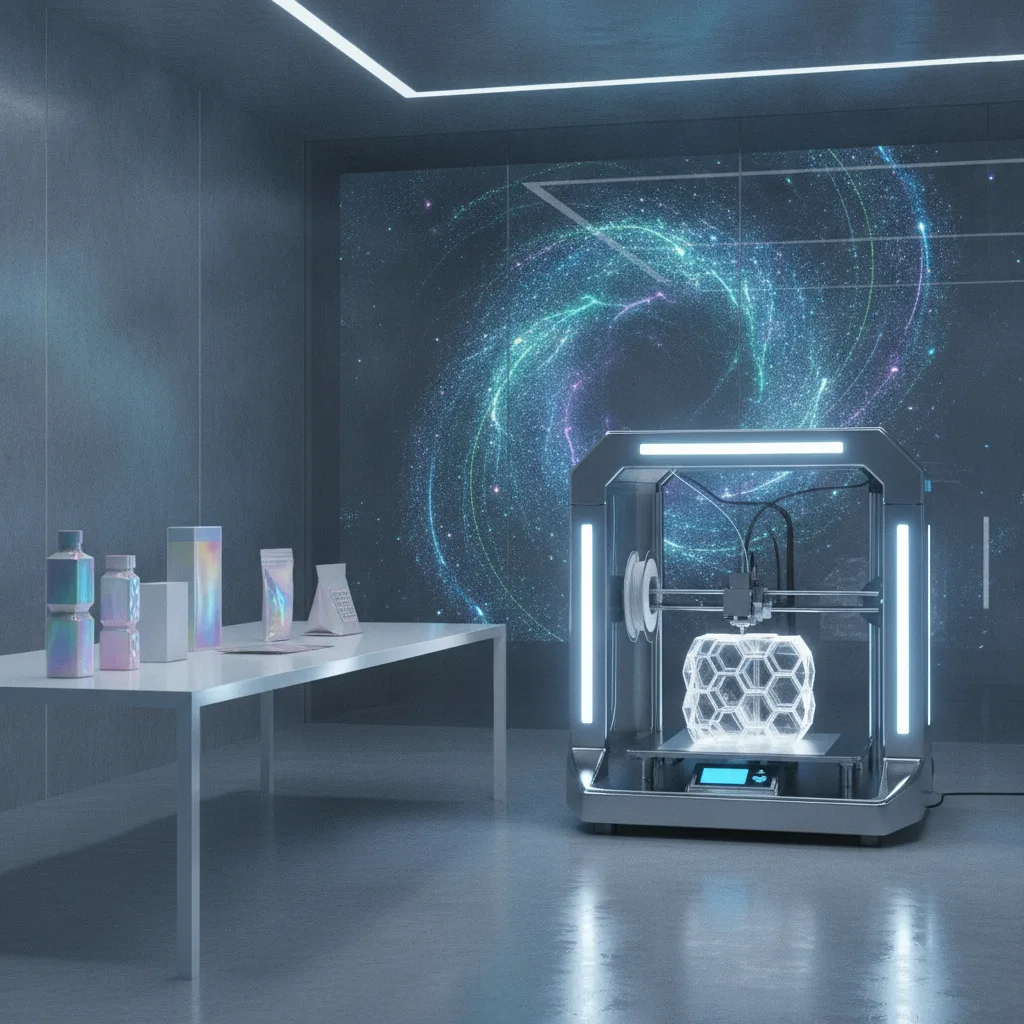
First of all, in the production of packaging, it is a passaggio that the difference between a reasonable price and an error in cost: the prototype (or, not internationally contested, it 3D prototyping packaging model). Therefore, thanks to digital technology and 3D printing, it is possible to pass from a file to a physical model in short order, with a precision that ends up in my last year when I grew up as an industrial group.
This article looks at how the 3D packaging mock-up prototyping process works, the sound quality of the design, the technology involved and the high level of iteration is essential for the production.
Prototipazione 3D packaging mockup (3D prototyping packaging model) | 5 fasi
Reading time: ~8 min
- Mockup, model, prototype: be a distinct concept
- Step 1 — Preparing the digital file
- Phase 2 — 3D rendering and visual validation
- Phase 3 — The white model: structural validation
- Phase 4 — The dress model: validation of graphics and finish
- Step 5 — Presentation prototype and final approval
- There was an error when creating a packaging model
- Ensure production with certainty
- FAQ
Mockup, model, prototype: be a distinct concept
In the packaging set, this is the end of the product so we can use it as otherwise, but this indicates different instruments with different options. This distinction is the first step to be taken to enable the program to function properly.
3D packaging mockup
He 3D packaging mockup This is a digital representation of the packaging, generated from the graphic file. Served primarily for commercial presentation and to obtain creative approval primarily. The instrument comes Packly or Pacdora allows you to write a PDF and view it in real time when it appears in the packaging assembly. It's a quick, economical and ideal instrument for easy planning.
Packaging mockup
There packaging mockup It is necessary to have a physical model, specially produced in cardboard or neutral material, to reproduce the actual dimensions of the packaging according to the graphics applied. If you speak in this case of a white model. It is possible to check the three-dimensional shape, size, proportions and assembly logic. È in this case if there is a possible incompatibilità strutturali che nessun rendering digitale avrebbe rivelato.
Prototipo di packaging
He prototipo di packaging The model is further advanced: it produces the final product, with graphics, special finishes and defined materials, very similar to what the production is. If the pre-production validation instrument is excellent, it allows you to approve the final result first to produce the drawing.
Step 1 — Preparing the digital file
Preparing the file for the stamp
All you have to do is file. First of all, as a model or packaging prototype, the digital file must be prepared with precision. The standard format for the stamp it is PDF/X, this guarantees compatibility with professional pre-stamped flows. The conversion from RGB to CMYK is mandatory: the colors displayed in the RGB screen do not correspond to the colors used in the offset stamp, and any difference may compromise the color effect of the packaging.
Dieline template
It is the second fundamental element dieline, chiamata also template or fustellato. If the path of the tag and piega defines the shape of the packaging, it will appear and be written in piano. If you have a precise die, it is impossible to create a consistent model with the final product. Molte piattaforme online forniscono template di dieline standard per i formati più communi, ma per packaging su misura è necessario è necessario parparare il jaguire da tecnico esperto.
File per la prototipazione 3D
For 3D printing, the file must be converted to a format compatible with 3D printing, specifically STL or 3MF. Il modello deve essere watertight, open for private use of the open surface, the software of the stamp cannot be interpreted correctly. A technical requirement is required to be properly protected. minimum pareti spessore for FDM technology: it must not be less than 0.8 mm to guarantee the structural resistance of the prototype.
Phase 2 — 3D rendering and visual validation
Once prepared, it will pass next to the generation of photorealistic rendering. This instrument allows you to visualize the packaging in its dimensions, with light, shade and special finish digitally simulated. It is particularly useful to value the visual impact of the noble technology such as the heat stamp, the selective varnish or the paint, which is the first product to be a prototypical physical product.
3D rendering is also the preferred instrument for the commercial presentation of packaging to a brand manager, artistic director and internal approval committee. A successful commercial presentation mockup will reduce the number of successive iterations and accelerate the decision-making process. To program luxury packaging, cofanetti and astucci di alta gamma, dove l'approvazione co-volge more interlocutori with varying sensitivity, this passage is very decisive.
Important — RGB/CMYK conversion: The RGB-CMYK conversion can generate significant color variations, depending on the saturation and viola. For premium packaging designs, you must have a proof-of-color stamp that is certified to be definitively approved.
Phase 3 — The white model: structural validation
Structural verification with the white model
The first physical prototype that is produced here Bianca model. If the model is in neutral material, private graphics, please reproduce the dimensions and structure of the packaging. In this case, whether the assembly logic, the consistency of the blade, the correct opening and the chipping of the scatola, the complete ingombro and the compatibility with the product that must contain are verified.
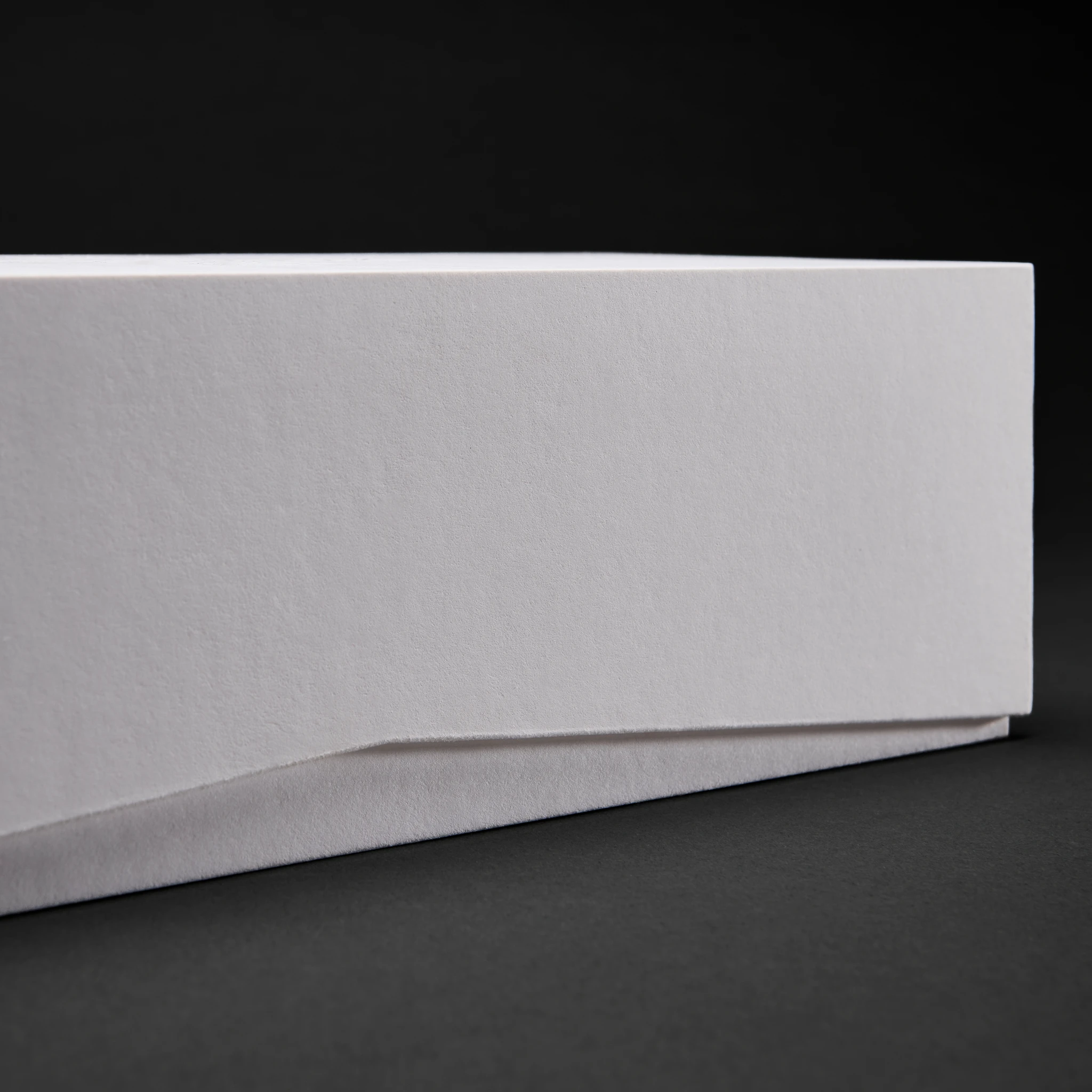
For comprehensive packaging such as coffins, pull-out boxes or assemblies with magnetic inserts, the white model is an irreplaceable package. If there is an error in dimensioning, it is corrected alone in the production phase, at a low cost. The dimensional validation of the physical prototype is more reliable in terms of digital simulation, so it allows testing of the packaging in the actual conditions of use.
| Tecnologia | Fedeltà visiva | Structural resistance | Relative cost | Typical use case |
|---|---|---|---|---|
| FDM (Fused Deposition Modeling) | Media | Buona | Basso | Quick model for structural verification |
| SLA (Stereolithography) | Alta | Media | Medio | Prototype with smooth and raised surface |
| SLS (Selective Laser Sintering) | Alta | Molto alta | Medium alto | Functional prototypes with resistant materials |
| PolyJet | Molto alta | Media | Alto | Prototipi colorati ad alta fedeltà per presentazioni |
Stratasys and Javelin Tech documents like PolyJet technology that allows for comprehensive and advanced packaging prototypes in a unique stamp, ride significantly at the time of the slow cycle.
Phase 4 — The dress model: validation of graphics and finish
Validation of graphics and special finishes
Dopo the structural validation, if it passes alla Vestita model, we have created a prototype that integrates the definitive graphics and, when possible, the specialized finish anticipates the production. What is fundamental to value the real color reproduction is the contrast between the opaque and lucid area, the noble effect such as the heat stamp or the 3D spot varnish, and the comprehensive coherence of the packaging with the identity of the brand.
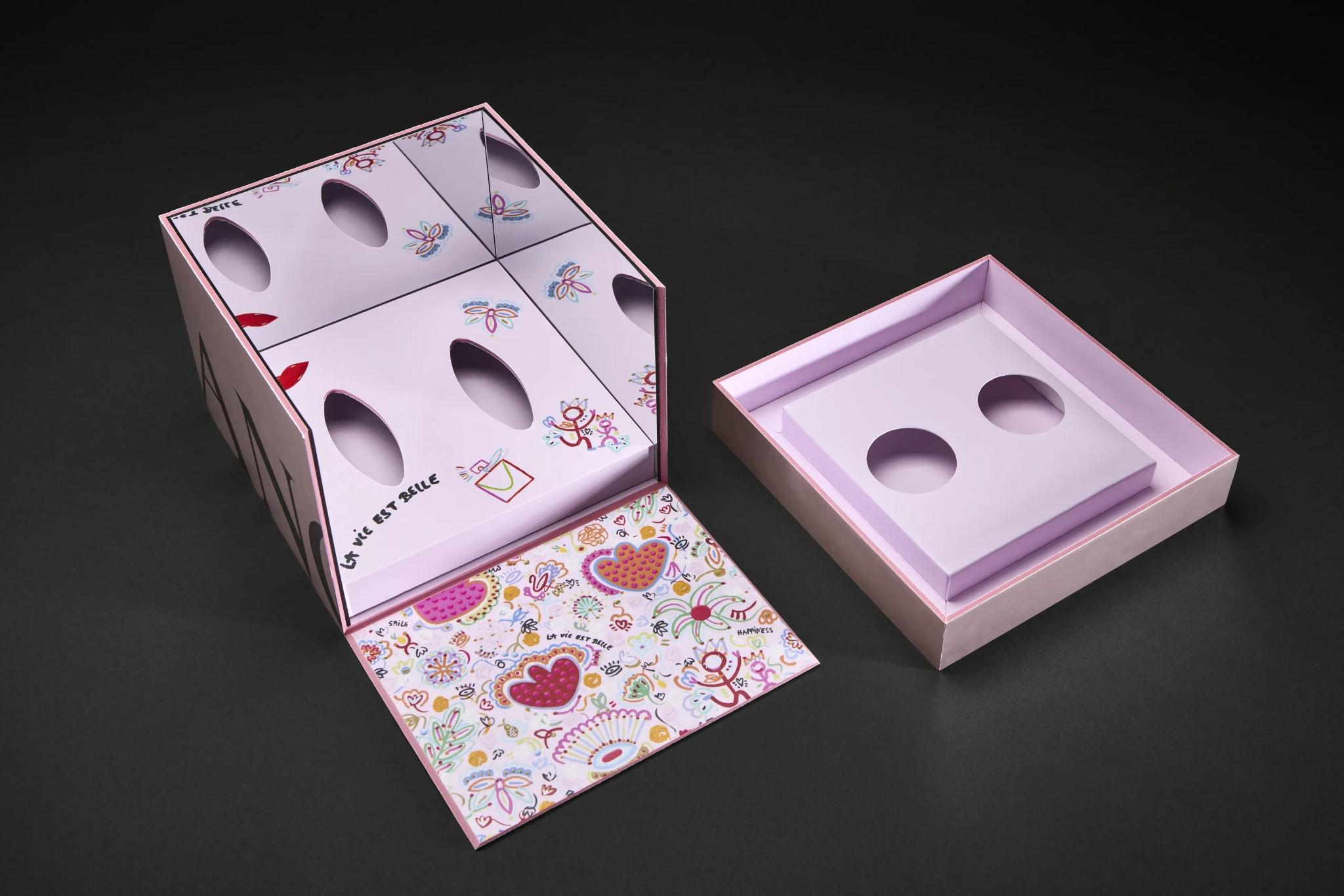
In questa fase si verifica ache la fotolito, over color separation and retinature quality. A professional photo maker specifies the end of the first attempt to drastically reduce the time of production and release of the BAT (Good to Print). For high-quality packaging, the special finish must present a significant part of the perceived value, this iteration is the most critical of the internal processes.
Step 5 — Presentation prototype and final approval
The ultimate first step to take from production to production prototype of presentation, Please return the final packaging to the maximum mass possible. This prototype is used for final approval from the customer, for the product photo, for the market test and, in any case, for the presentation of an investor or buyer.
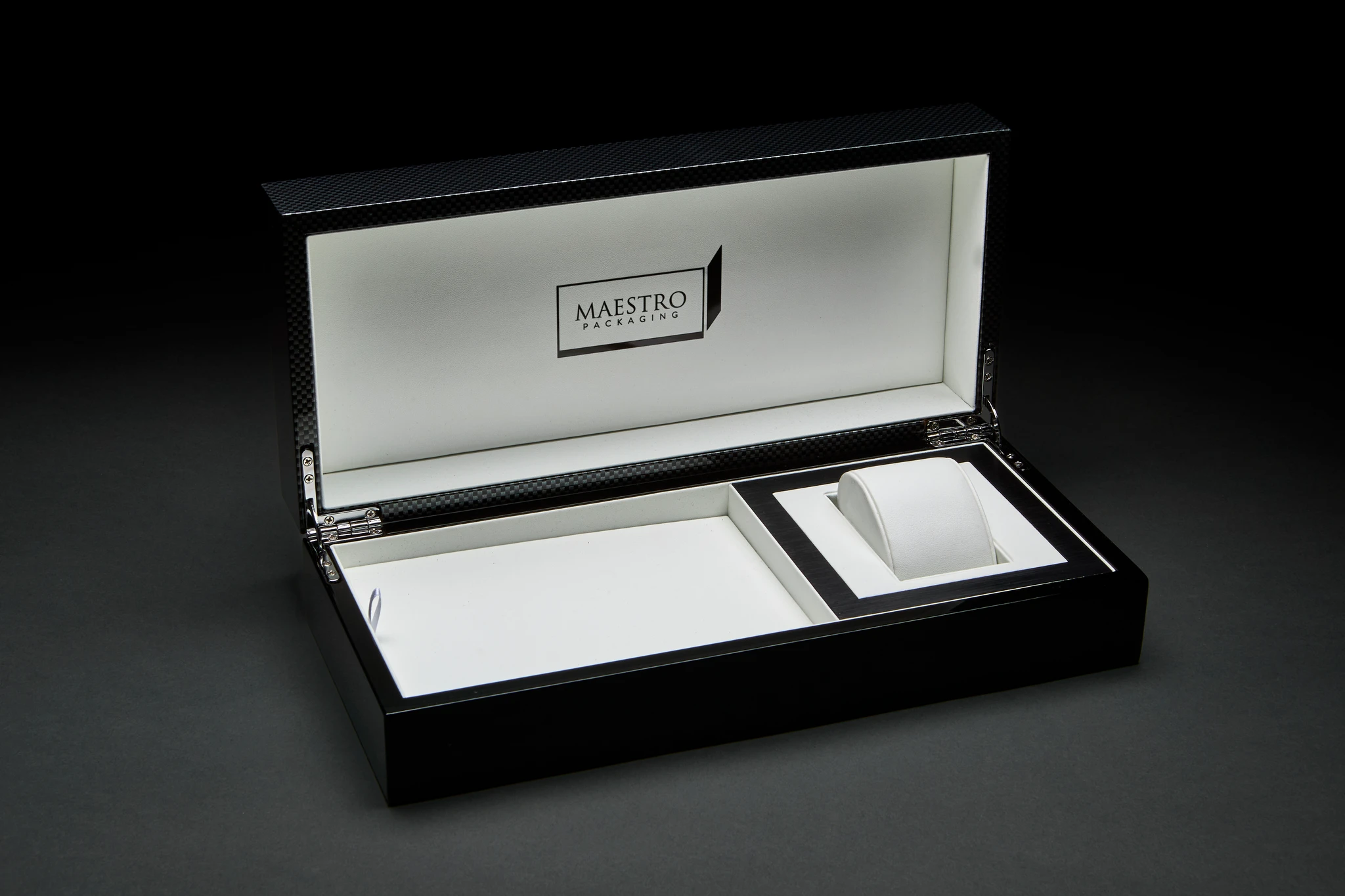
In this case, the pre-stamped workflow is frozen: the high-definition PDF file is approved, the RGB-CMYK conversion is validated, the specialized finish is confirmed and the production time can be produced with precision. At the moment when the program is finished, the production can be started with the certainty that the result will be confirmed.
There was an error when creating a packaging model
However, with a well-structured process, there are frequent errors that may compromise the effectiveness of the prototyping. The first thing to do is to adjust the white model phase to speed up the speed: this is apparent if it changes almost overnight in more expensive iterations.
The second error concerns the color management: save in RGB at the last moment and convert it solo first of the stamp produce only the most chromatic colors so that it is rendered digitally without rivets. A third error occurs frequently when it comes to die-line: use a standard template for packaging that does not generate almost no assembly problem that emerges only on the physical prototype.
Ultimately, do not consider the special finish in the model's design that is suitable for production, so when it comes to technology such as texture, it affects or punctures, it modifies the touch and visibility of the packaging in a significant way.
Important: Any modification made before the final approval of the prototype involves an increase in cost and an increase in production time. Investing time in the model costs drastically reduces risk of late revision and cost.
Ensure production with certainty
The 3D packaging mockup prototype is not an optional pass: it transforms a graphic design into an affidabile industrial object. All iterations - digital rendering of the white model, the model is dressed in the final prototype - have a precise object and contribute to correcting the risk of errors in production.
In Maestro Premium Printing, this process is handled internally by a technical team that physically supervises the manufacturing if in Italy it is not produced in Cinema, thanks to a model of double production Italia-Cina. This direct stability allows you to anticipate technical incompatibilities between the prototype and industrial production, guaranteeing that the model is approved if translated into the final version.
Per i progetti di lusso packaging, editoriale o cofanetti di alta gamma, this livello of the control and this gives you an excellent result with a simply accessible one. It is possible to take into account the plans made in our lives gallery where you can find technical advice directly from the page contact.
Further information on the prototype and its corresponding services are available on site Maestro Premium Printing.
FAQ
How long does the production of a physical packaging model take place?
The temperature varies in the functionality of the packaging and the technology used. A white model made with FDM technology can be delivered within 24-48 or per simple geometry. For the most advanced prototype with SLA or PolyJet technology, it generally takes 3-5 days to prepare, so it takes longer to apply graphics to the model dresser.
Is it possible to create a packaging model with a competitive 3D stamp technology?
If. The online platform comes Packly or Pacdora allows you to generate 3D mockup digitally from a simple PDF file, with its own specific 3D modeling. For prototype printing in 3D, you need to have a specialized service or a technical partner to manage the conversion of the file and the stamp.
The packaging model is also necessary for the piccole series or limited editions?
Yes, this is even more important. For this series, the cost of an error in production weighs proportionately to the greater budget of the project. A model allows you to validate the packaging firstly impregnated with a seal, to reduce the risk of the product and to guarantee a consistent result with the brand's appearance and its volume.
What is the difference between an STL file and a 3MF file for the 3D stamp of a packaging prototype?
This STL format is wider and compatible with 3D printing, but does not support color or material information. The 3MF format is more recent and allows you to include data such as colors, textures and material properties, resulting in more suitable colors and multi-materials as products with PolyJet technology.
What if there is a difference in color between digital rendering and the physical prototype stamp?
It is rendered digitally in color space RGB, including the print in color in CMYK. This difference inevitably generates degli scostamenti, soprattutto sui toni saturi. To minimize, it is fundamental to convert the file into CMYK to first generate the rendering, use certified color profiles and, for higher critical projects, have a proof of color stamp on the card or material similar to what the primary production approves the final prototype.
Quali certificazioni o standard tecnici riguardano i file per la prototipazione e la stampa di packaging?
For the offset stamp the format of the file is there PDF/X, it guarantees compatibility with professional pre-stamped flows and correct incorporation of font and color profiles. For 3D prototyping there is no single standard, but the STL format and the 3MF format are sound and widely distributed and accepted by the main services of industrial 3D printing.