
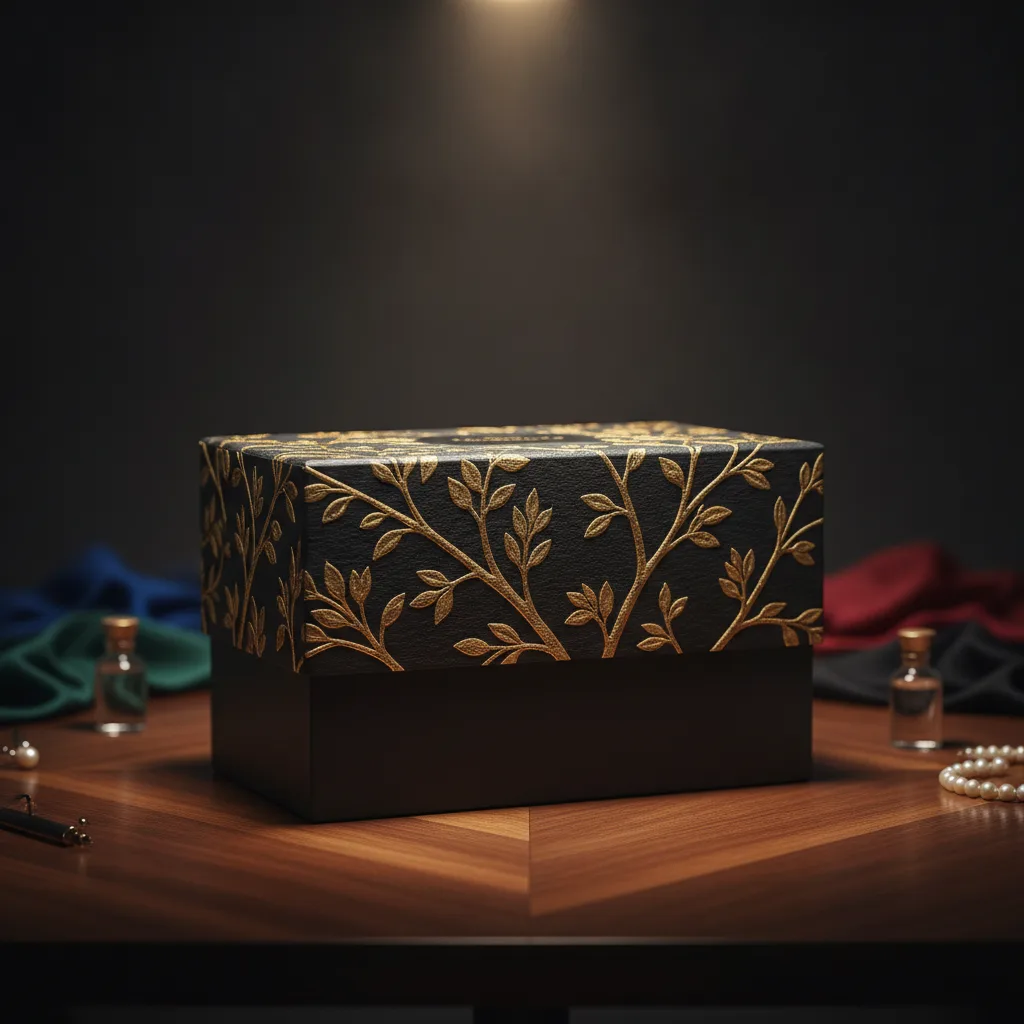
In 2026, luxury packaging finishing trends will no longer be about simply "outshining the competition." Premium brands (perfumes, cosmetics, spirits, jewelry, publishing) are now seeking packaging that is desirable, responsible, and technically flawless. Aesthetics are as much about touch and the sound of a box sliding open as they are about the brilliance of gold foil. For a production manager or art director, the question is no longer just "which finish to choose" but "what sensory language and what CSR message does my packaging convey?" Here are the eight major trends that are redefining high-end finishes in 2026 and how to approach them in paper engineering and technical production offices.
Luxury packaging finishing trends for 2026: the 8 trends that are redefining premium aesthetics
Reading time: ~16 min
- Eco-luxury is becoming the new standard for finishes.
- Quiet luxury and tactile minimalism
- Sensory experience beyond the visual
- Matte metallic finishes and extreme glossy/matte contrasts
- The return of the embossed, handcrafted effect and letterpress
- Personalization, small series and limited editions
- Connected packaging, NFC and traceability data
- Towards a global aesthetic by luxury segment
- FAQ
Eco-luxury is becoming the new standard for finishes.
Premium finishes and recyclability considered from the initial brief
The decorations are no longer added as an afterthought: they are designed in line with the eco-design principles of the packaging, favoring FSC-certified cardboard (often recycled or bio-based), single-material structures that are easy to separate, and lightweight components without compromising rigidity or shelf stability. On the finishing side, gold foil stamping is redesigned to remain compatible with recycling streams, varnishes are low-impact (acrylic or water-based), and the new generation of soft-touch laminations is free of harmful solvents.
The challenge in manufacturing is to find a balance between visual appeal, mechanical strength, and recyclability. experienced manufacturing office can then offer paper + finish combinations accepted by recyclers while maintaining the expected level of prestige.
| Design axis | Main objective | Points to consider during manufacturing |
|---|---|---|
| Choice of paper/cardboard media | Maximize the recyclability and traceability of materials | Compatibility with gilding, varnishing and folding/gluing constraints |
| Finishes and embellishments | To create a measured and responsible luxury effect | Limit the use of coated or metallic surfaces and validate the material + finish combinations. |
| Package architecture | Reduce the material without compromising the premium perception | Testing mechanical resistance, shelf life, and opening experience |
Less material, more engineering
The principle of "less mass, more design engineering" is paramount: reducing excess thickness and redundant linings; optimizing formats for palletizing and transport; and streamlining material combinations to limit complex multi-layers. For a premium cognac gift box or perfume case, the goal is not to make it smaller, but smarter: a precisely adjusted fluting, a redesigned folding box, or a nested sleeve engineered to a tenth of a millimeter can reduce material without sacrificing the feeling of luxury upon opening.
Quiet luxury and tactile minimalism
The new vocabulary of premium
Major beauty and high-end perfume houses are moving away from excessive gold leaf and flashy visuals in favor of deep, even ultra-matte, matte surfaces, velvety soft-touch finishes that are sometimes micro-textured, neutral palettes (creams, beiges, off-blacks, tone-on-tone), and subtle details such as delicate embossing or a barely raised logo. Monochrome is gaining ground: a single, strong color, available in varying shades of matte, grain, and texture, creates a shelf presence that is often more sophisticated than an illustrated design.
Minimalism does not mean simplicity of execution
A very clean, minimalist package is less forgiving of imperfections. On a matte surface, the slightest varnish speck, the faintest color shift, or a cardboard dent becomes visible. This demands extremely precise photogravure, papers with a grain and whiteness compatible with the intended varnishes and gilding, and tighter quality control over the consistency of blacks, warm whites, and muted tones. For production, quiet luxury therefore represents an increase in factory requirements and tolerance management.
Sensory experience beyond the visual
Touch: textures, micro-reliefs, intelligent varnishes
Haptic finishes are proliferating: soft-touch finishes that are more resistant to marking and suitable for complex logistics; selective gloss or matte varnishes that sculpt light on a simple design; 3D varnish or digital embossing to make a logo or motif stand out; natural grained or micro-embossed cardboard offering a textile or mineral feel. On cylindrical cases for wines and champagnes, the "caress" of the tube becomes as distinctive as the illustration.
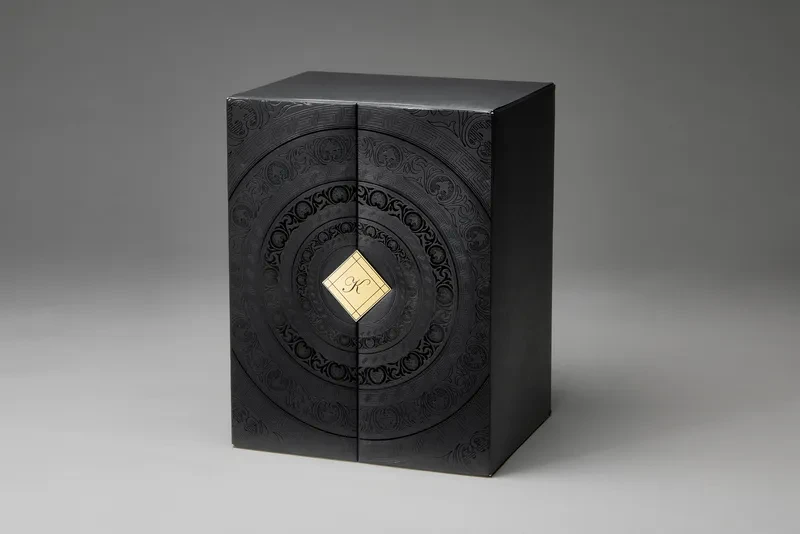
Sound and kinetics: luxury is also about the "click"«
The opening and closing mechanism is now considered a finishing element in its own right: smooth sliding of a nesting box, magnetic lids that close with a crisp "click," and precisely fitted interiors that eliminate any unwanted play. This level of detail requires true paper and cardboard engineering, with very tight tolerances and a thorough understanding of material behavior under varying climates and during transport.
Matte metallic finishes and extreme glossy/matte contrasts
Metal chic rather than bling
In 2026, metallic finishes will be expressed through matte or satin gold, sometimes with subtle textures, "brushed metal" or "frosted metallic" effects applied to specific areas, and strong contrasts between a deep matte coating and delicate touches of varnish or glossy gold. The goal: to capture light in fleeting moments without covering the entire package.
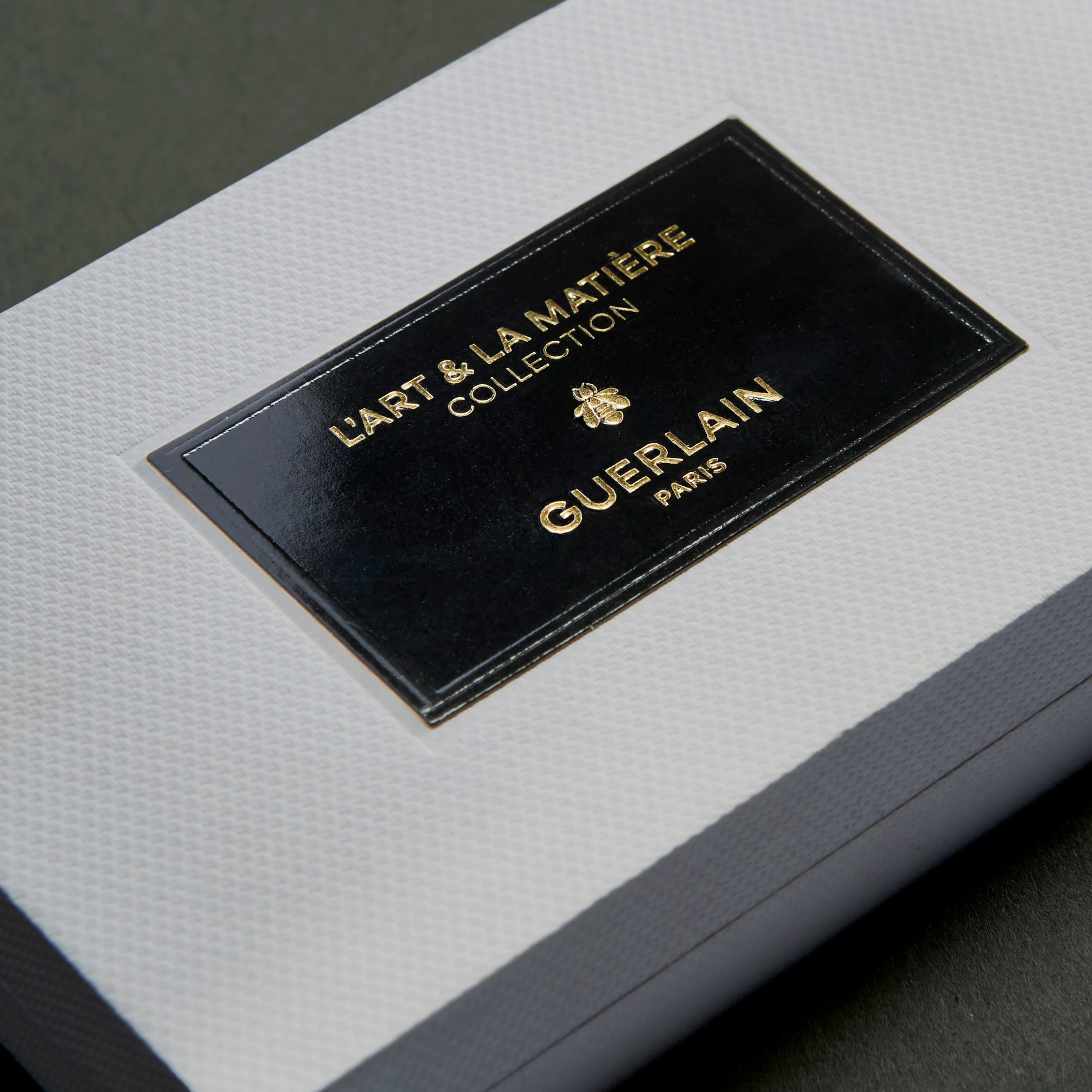
Optimize impact without sacrificing recyclability
The technical compromise involves a limited metallic surface area, careful combination with varnishes to avoid redundant layers, and strict consideration of the constraints of registration, pressure, and transport resistance. A manufacturing office overseeing production can test and then validate the parameters that offer the best results with a minimum of material.
The return of the embossed, handcrafted effect and letterpress
Embossing, debossing and "imprinted" textures«
The "hand-stamped" effect results in bold embossed or debossed logos (sometimes without ink), embossing patterns creating a random grain reminiscent of handmade paper, and intentionally naive illustrations with irregular lines. These techniques require highly precise tooling and suitable paper to achieve a crisp relief without fiber breakage, even on large volumes.
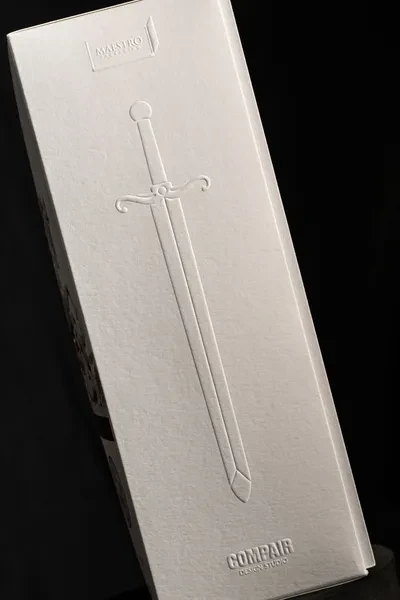
Letterpress as a character accent
The letterpress aesthetic is making a comeback: slightly inked typefaces etched into the paper fibers, deep spot colors on uncoated paper, and very fine hot foil stamping to complete the look. It's not always a true letterpress print; the effect is often achieved through a combination of embossing, inking, and varnishing. The interplay between creative vision and paper engineering remains crucial for faithfully conveying the artistic intent.
Personalization, small series and limited editions
Controlled limited series
Digital printing enables the industrialization of personalization: limited-edition boxes with color or textural variations for each market, numbering or personalized branding of premium packs, and "capsule" collections (Fashion Week, Christmas, Valentine's Day) offering variable designs on the same industrial base. The key: a stable industrial foundation (structure, cardboard, logistics) and personalization areas managed digitally or with differentiated finishing.
Technical consistency between digital technology and traditional finishes
The entire printing process must be perfectly controlled: color management between offset and digital areas, compatibility of varnishes, foiling, and embossing with digital inks, and the selection of papers that maintain a high-end feel while remaining printable. Upstream technical oversight prevents problems such as foiling that fails to adhere to a digital area or varnish that compromises the matte finish of a carefully applied color.
Connected packaging, NFC and traceability data
Discreet integration of connected technologies
NFC chips embedded in rigid packaging, dynamic QR codes blended into the design, and nearly invisible digital watermarks trigger digital experiences (the company's history, tutorials, material certifications) or provide evidence during purchasing or CSR audits. For marketing and purchasing departments, this is an opportunity to combine storytelling with transparency regarding carbon footprint or the origin of components.
Traceability and documented CSR approach
Beyond connectivity, data structuring becomes central: certified origin of paper and cardboard, percentage of recycled materials, estimated carbon footprint of the packaging, and sorting and recycling options at the end of its life. Packaging is transformed into a medium of evidence; the manufacturer's ability to provide this data clearly, auditably, and consistently across all production sites is a decisive criterion in luxury tenders.
Towards a global aesthetic by luxury segment
Perfumes and cosmetics
Quiet luxury reigns supreme: monochromatic cases, deep matte finishes, soft-touch textures, subtle embossing. Strong growth in refillable systems that combine a refined, permanent body with simpler refilling. Nude, nude, and neutral colors demand highly controlled photogravure and printing processes.
Wines, champagnes and spirits
Cardboard tubes and boxes emphasizing the tactile experience (textures, embossing, 3D varnish). More subtle but high-quality metallic effects on collars, crests, or signatures. A blend of eco-luxury and heritage with a story told through materials (natural fiber paper, hues inspired by the local terroir).
Jewelry, watchmaking, art publishing
Sleek, rigid boxes, often two-tone or monochrome, with interiors designed for interaction: opening, displaying the piece, and the sound of closing. Typographic embellishments and embossing evoke high-end editions.
FAQ
How can we reconcile luxurious finishes with genuine recyclability?
The solution lies in a comprehensive packaging design rather than an accumulation of effects. Priority should be given to single-material or easily separable structures, the total surface area of metallization and lamination should be limited, paper + varnish + foil combinations should be selected that are validated by recycling channels, and clear CSR objectives should be formalized from the initial briefing. A technical manufacturing department can propose several embellishment scenarios that balance aesthetics and end-of-life considerations.
Do matte and soft-touch finishes show marks more easily?
The 2026 formulations are more durable than previous soft-touch finishes but remain more delicate than a standard gloss varnish. For a launch subject to significant logistical or e-commerce constraints, it is advisable to test several versions under real-world conditions, combine matte and selective varnishing in exposed areas, and adapt the choice of cardboard to minimize deformation and creases.
Are NFC and QR code technologies compatible with a very minimalist design?
Yes, provided these elements are integrated very early in the design process. A QR code can be blended into a tone-on-tone graphic pattern while remaining legible; an NFC chip can be concealed in a wedge or the bottom of a box; digital watermarking even allows for codes invisible to the naked eye, useful for sorting and authentication. The key is to anticipate the technical areas on the plans and to verify that cutting, gluing, and securing them do not damage these components.
By 2026, luxury packaging finishing trends will embrace a controlled luxury: each embellishment must justify its presence through its sensory impact, its role in the brand narrative, and its compatibility with a responsible approach. To ensure the success of these complex projects (premium cognac gift sets, high-end perfume packaging, art catalogs, press kits), support from a manufacturing office technician, Mastering the entire graphic chain and closely monitoring production at the factories becomes crucial. To learn more about these solutions, visit [website address]. maestro-manufacture.com.
—