
In design studios and manufacturing offices alike, digital packaging enhancement has established itself in just a few years as a quiet but transformative revolution. 3D spot varnishing, digital foiling, and file-controlled tactile textures open up a vast field for limited editions, premium boxes, and prototypes. For a critical launch or a collector's edition, you can now test, adjust, and personalize without spending weeks on tooling. One key question remains: where does digital enhancement end, and at what point should you switch back to traditional techniques?
Digital packaging enhancement: the silent revolution that is changing the rules of small-batch packaging
Reading time: ~11 min
- What is meant by digital packaging enhancement
- The main digital enhancement techniques today
- Digital enhancement vs. traditional techniques: what really changes
- Use cases for small and medium-sized luxury and premium production runs
- How to secure a digital packaging enhancement project
- FAQ
What is meant by digital packaging enhancement
Embellishment refers to all the finishing touches that give a box or case its sensory dimension: shine, embossing, metallization, tactile textures. It is this final layer that transforms a simple cardboard box into a true branded object.
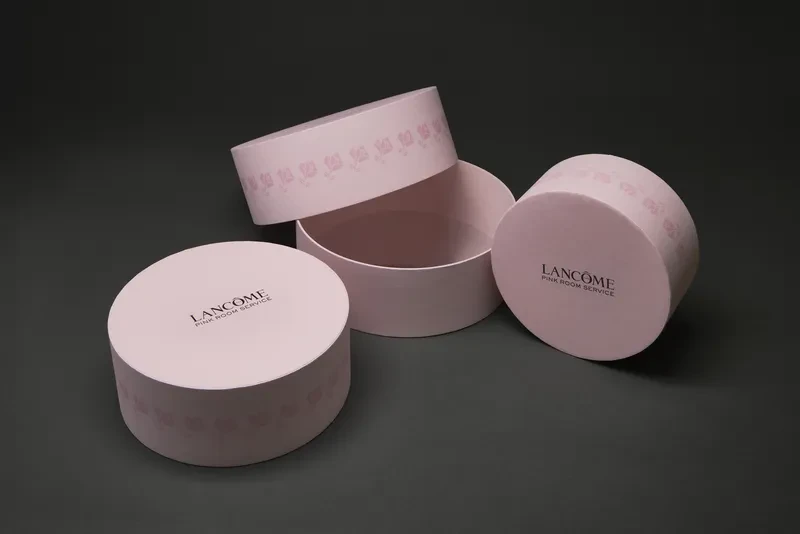
Digital embellishment applies these effects via file-controlled print or varnish jet heads, without clichés or mechanical tooling: the printer sends a layer of varnish or foil from the PDF, the machine deposits the material exactly in the intended places, at the correct thickness, sometimes in a single pass with several combined effects.
Some key points for the luxury and premium packaging (cardboard cases, rigid boxes, sleeves, labels, countertop POS displays):
- Data-driven process (no gilding or engraved plate).
- Very suitable for small and medium production runs (from prototype to a few thousand units).
- Compatible with existing offset or digital printing workflows.
The challenge is twofold for a manufacturing manager or an artistic director: to offer a strong sensory signature to the object while controlling the risks of delay, cost and CSR consistency.
The main digital enhancement techniques today
2D Digital Selective Varnish
A glossy or matte varnish is applied only to specific areas (logo, tagline, key visual) with very precise registration. No varnish proof is required, and file corrections can be made until printing. Common uses: cosmetic boxes, premium press kits, niche perfume packaging.
3D varnish and relief varnish
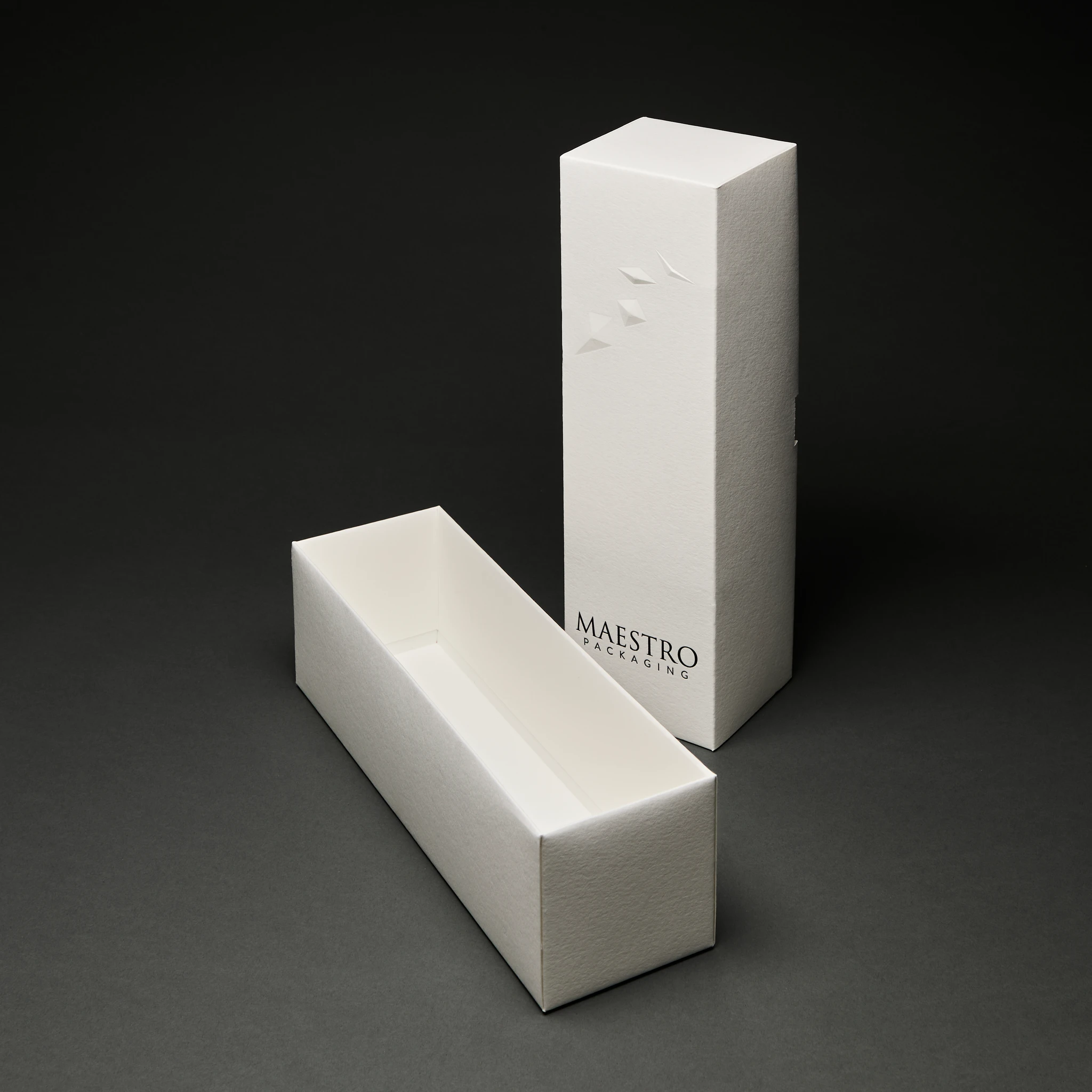
By layering varnishes, a tangible relief is achieved, enhancing the tactile experience (spirits boxes, jewelry). Micro-textures can be created without metal tools, ideal for guiding the hand or simulating embossing.
Digital gilding and metallization
A digitally printed adhesive varnish receives a metallic film (gold, silver, holographic). Advantages: no printing required, very fine details, variable data possible. Particularly relevant for niche perfumes, limited edition sets, or large-scale marketing tests.
Texture effects and tactile patterns
Controlling the volume of varnish allows for the imitation of skin, drops, textiles or geometric patterns on cardboard or cover paper: cosmetic skincare, custom jewelry boxes, art catalogue covers.
Multi-effect combinations in one pass
High-end systems combine selective varnishing, 3D varnishing, and digital gilding in a single pass: a slightly raised gold logo encircled by a glossy varnish, a textured pattern extended into a flat metallic area. Fewer steps and a shorter overall turnaround time.
Digital enhancement vs. traditional techniques: what really changes
Digital technology does not completely replace hot foil stamping, embossing or industrial UV varnishes; it fits into a complementary ecosystem.
| Key point | Digital | Traditional |
|---|---|---|
| Tools | No clichés | Metal clichés |
| Flexibility pull | Ideal for small & medium production runs | Profitable large volumes |
| Deep relief | Limited edition 3D varnish | Deep embossing possible |
| Cadence | Slower | Very fast online |
1. Lack of tools : savings on fixed costs and rapid launch.
2. Draw flexibility : multiple variations (markets, languages, numbering) without delay.
3. Realistic prototyping : a few dozen almost final pieces to convince marketing or finance.
4. Fine customization : variable data even in the golden zones or the height of relief.
Main limitations: beyond a certain volume the unit cost of traditional printing becomes competitive again; the depth of relief remains less than metallic embossing; not all substrates are compatible; the speed is lower than an optimized analog line.
Use cases for small and medium-sized luxury and premium production runs
Cosmetics and niche perfume launches
For a few thousand pieces, digital embellishment makes it possible to test several levels of brightness, relief or metallization, to validate a near-final model and then to produce a first wave before possible transition to traditional gilding if the volume explodes.
Custom-made spirits gift sets
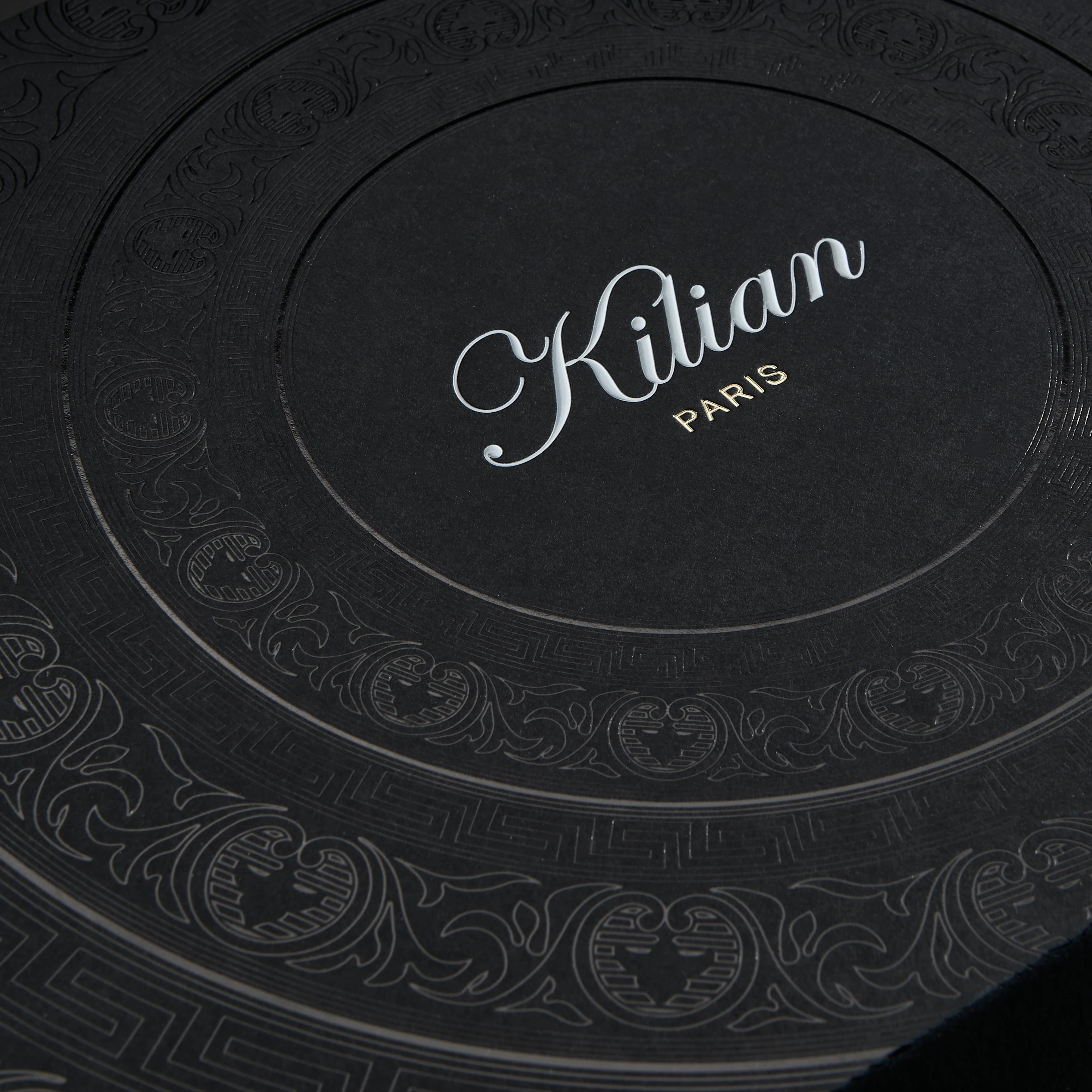
In the cognac and craft gin sectors, limited editions are hampered by high industrial minimum production requirements. Digital technology opens up access to gift sets with gold foil, embossed varnish, and numbering, all in controlled, short runs.
Limited editions, catalogues and premium press kits
A title in 3D varnish or digital gilding, a localized texture on a strong image, or a mix of differentiated effects between VIP version and wider print run reinforces the symbolic value of the object without technical risk.
How to secure a digital packaging enhancement project
To take advantage of the benefits of digital technology without being limited by its constraints, four key steps are necessary:
Clarify the objective: differentiation in linear, limited edition, prototype or pre-series; choose effects consistent with the brand: discreet selective varnish, tactile 3D varnish, striking gilding or combination; validate the compatibility of support/process: cardboard, lamination, grammage, type of printing; prototype then adjust: small test series to check registration, relief height and durability of the gilding.
In a two-site strategy (Italy for high-precision craftsmanship, China for controlled volumes), a technical manufacturing office can guarantee a consistent output regardless of location.
FAQ
Is digital enhancement suitable for very large volumes?
Not always. For hundreds of thousands of parts with a stable design, traditional hot foil stamping and embossing remain more competitive in terms of unit cost and production speed. Digital printing excels on prototypes, pre-production runs, limited editions, or medium-sized volumes.
Can the same result be achieved as with traditional hot foil stamping?
New-generation films and varnishes come very close, especially on fine designs. For very deep markings or certain specific highlights, hot foil stamping remains the preferred method; combining the two techniques is often the best approach.
What are the constraints for graphic design?
Plan from the outset for separate layers for varnish, embossing, and gilding; anticipate contrasts, avoid excessively small text with strong embossing, and leave margins around folds and cutouts. Early technical support saves a proof and several days.
Digital packaging enhancement has profoundly changed the design of premium gift sets, especially for limited editions, collector's editions, and sensitive launches. It opens up a rich sensory experience without tooling costs, while offering valuable flexibility to production managers. To discover concrete examples, visit maestro-manufacture.com.