
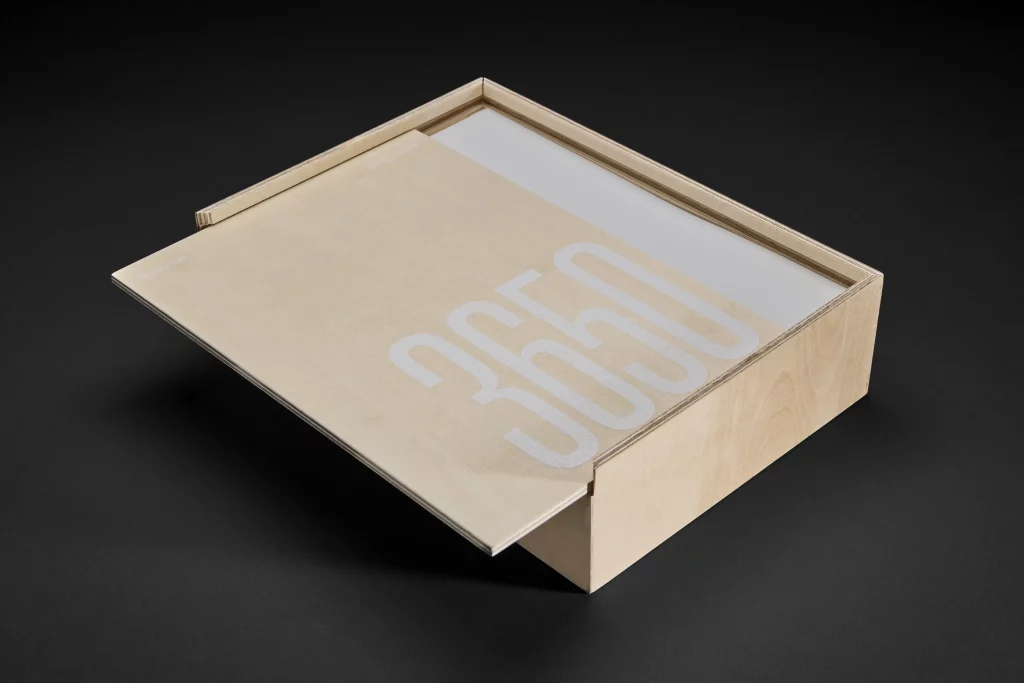
Luxury packaging has long relied on a virtually unchanging foundation: rigid, compact cardboard covered in special papers. But in recent years, major fashion houses and premium brands have sought to go further, incorporating materials that appeal to both the senses and values. These paper alternatives for luxury packaging—cork, vegetable-tanned leather, and sliced wood, in particular—are enriching this historical base.
Natural cork, vegetable-tanned leather, sliced wood, technical textiles: these alternatives to paper are no longer just trade show curiosities. They are emerging as concrete tools for differentiation, storytelling, and environmental responsibility. This article examines each material family, their real advantages, their technical constraints, and their applications in the most demanding sectors.
Alternatives to paper for luxury packaging: cork, vegetable-tanned leather, sliced wood
Reading time: ~9 min
- Why go beyond paper in luxury packaging?
- Cork: a natural, renewable, and sensory material
- Vegetable-tanned leather and imitation leather: the aesthetics of leather without its drawbacks
- Sliced wood and composite wood: prestige and technical mastery
- Comparison of the main alternatives to paper in luxury packaging
- Alternatives to the CSR challenges of 2026
- Maestro's expertise: integrating these materials without losing control
- Choose wisely for sustainable premium packaging
- FAQ
Summary in brief
- Rigid cardboard remains the standard structure, but it reinvents itself through novel sensory presentations.
- Cork is becoming increasingly popular in cosmetics and premium spirits. for its natural feel and bio-sourced image.
- Vegetable-tanned leather and imitation leather They offer the aesthetics of leather without its ethical or environmental constraints.
- Sliced wood gives limited edition sets an exceptional perceived value, but requires advanced technical expertise.
- Cushioning materials are evolving towards molded fiber, honeycomb cardboard and bio-based foams.
- Recyclability guides the trade-offs. : single-material paper-cardboard remains the most consistent solution with the CSR requirements of 2026.
Why go beyond paper in luxury packaging?
The issue isn't about replacing paper for the sake of it. Solid board, or greyboard, remains the benchmark structural material for rigid boxes, cases, and drawer boxes. Its dimensional stability, compatibility with hot foil stamping, embossing, debossing, and soft-touch varnishes make it an irreplaceable substrate. What brands are looking for is to enrich the surface experience: to provide a tactile feel that coated paper, even the most premium, cannot always replicate.
Demand also comes from purchasing departments and CSR teams. By 2026, calls for tenders from major groups like LVMH, Kering, and L'Oréal Luxe systematically include criteria for material traceability, FSC or PEFC certifications, and eco-design. Choosing a bio-based alternative material is no longer a differentiating factor reserved for independent brands; it's a requirement for inclusion in certain supplier panels. It is in this context that cork, vegetable-tanned leather, and sliced wood find their place in the premium manufacturing chain.
Cork: a natural, renewable, and sensory material
Why cork is so popular in luxury packaging
Cork is extracted from the bark of the cork oak without cutting down the tree, making it one of the few raw materials that is renewable, biodegradable, and has a positive carbon footprint. Its natural, slightly irregular texture, lightness, and cushioning properties make it an ideal candidate for lining cosmetic boxes, perfume bottles, or cases for premium spirits.
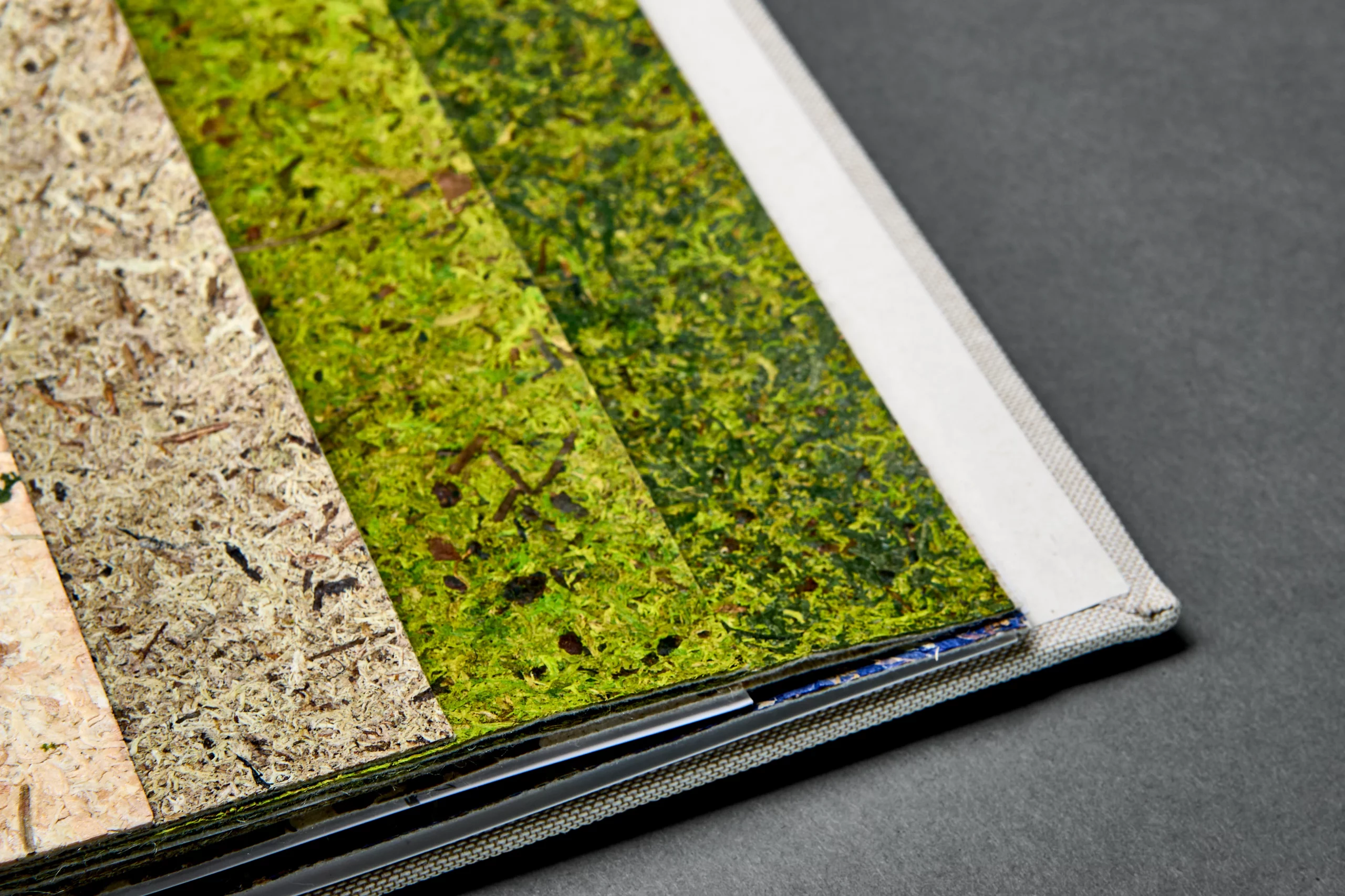
In practice, cork is rarely used alone as a load-bearing structure. It is combined with rigid cardboard: greyboard provides the shape and rigidity of the box, while a layer of natural or agglomerated cork covers the exterior. This double-layer principle allows for the benefits of the robustness of solid cardboard and the tactile qualities of cork. Specialized companies such as Corkup offers cork and cardboard box cladding solutions for cosmetics and perfumery, with options for laser marking, digital cutting and screen printing directly onto the cork surface.
The main limitation remains graphic customization: cork is not suitable for high-definition offset printing. For fine visuals or complex gradients, an additional paper element, such as a label or insert, will be necessary. However, for a spirits gift box or a clean cosmetics line that emphasizes authenticity and raw materials, cork offers an immediate narrative that few textured papers can match.
Good to know
Cork is recyclable through certain specialized channels and can be reintegrated into agglomerates for new applications. When combined with FSC-certified cardboard, the entire box can be used for consistent and documented environmental communication.
Vegetable-tanned leather and imitation leather: the aesthetics of leather without its drawbacks
Two main categories of alternatives to leather
Genuine leather has long been the gold standard for fine jewelry cases and watch boxes. But its environmental footprint linked to livestock farming, the complexity of recycling it, and growing ethical concerns are pushing brands to explore serious alternatives. Two main categories stand out today: leather-like paper and next-generation bio-based materials.
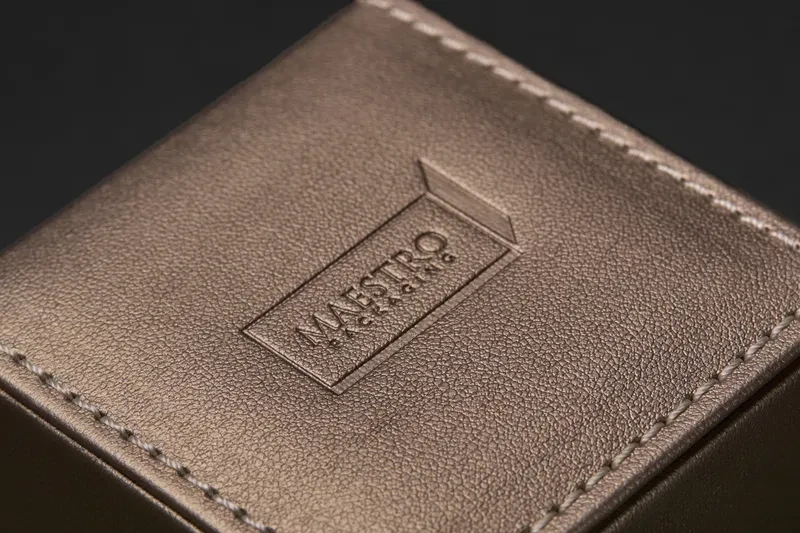
Leather-effect paper is a paper or cardboard substrate whose surface has been treated to replicate the grain, sheen, and suppleness of leather. It accepts hot foil stamping, embossing, and varnishes, making it perfectly compatible with standard premium finishes. Its key advantage: it remains within the paper and cardboard recycling stream and can be recycled if surface treatments are kept to a minimum. For jewelry packaging or high-end gift boxes, leather-effect paper offers a sophisticated look at a controlled cost, without the logistical constraints of animal leather.
PU leatherette, on the other hand, is a synthetic coating bonded to a rigid cardboard structure. It offers a luxurious feel very close to genuine leather, with the box's reusability extending the packaging's lifespan. It's the preferred solution for watch cases, jewelry boxes, or reusable jewelry boxes. Its limitation lies in its recyclability: the cardboard-PU combination is more complex to separate at the end of its life than a single-material cardboard box.
Bio-based materials such as Piñatex (pineapple fibers) and Desserto (cactus fibers) are making their way into luxury leather goods. Their use in packaging remains marginal and experimental, but several brands are exploring these substrates for decorative pieces or very limited editions. The sector is not yet industrialized for large-scale packaging, but it deserves close attention.
Sliced wood and composite wood: prestige and technical mastery
A prestigious but technically demanding material
Sliced wood, or wood veneer, involves gluing a thin sheet of natural wood onto a cardboard or lightweight plywood structure. The result is a box that offers all the visual and tactile elegance of solid wood, with significantly reduced weight and cost. This technique is particularly popular for... premium spirits gift sets and limited editions of perfumery.
Laser engraving on sliced wood allows for the creation of designs, serial numbers, or logos with a precision and depth impossible to achieve on paper. The combination of sliced wood and hot foil stamping, or sliced wood and screen printing, opens up considerable creative possibilities for a luxury engraved wooden box. Finishes can range from raw oiled wood to high-gloss lacquered wood, including limed or stained wood.
The main constraint is technical and logistical. Sliced wood requires precise control of gluing tolerances, accurate humidity management in the workshop, and appropriate cutting equipment. This is precisely where the expertise of a manufacturing office like Maestro becomes crucial: physically supervising production in Italy or China to guarantee the quality of the joints, checking the finishes, and approving the material proofs before launch. Without a factory presence, the risks of quality deviations with this type of material are significant.
Key points to remember
For a certified sliced wood box, PEFC or FSC traceability of the wood species used can be required. This documentation is now expected in tenders from major luxury groups concerned about their CSR performance.
Comparison of the main alternatives to paper in luxury packaging
| Material | Sensory | Recyclability | Finish compatibility | Typical applications |
|---|---|---|---|---|
| Premium textured paper | Medium to high | Excellent (paper industry) | Gold foiling, embossing, varnishing, offset printing | All luxury sectors |
| Natural cork | Very high | Good (specialized track) | Laser, screen printing, hot stamping | Cosmetics, spirits, candles |
| Faux leather paper | High | Good (paper industry) | Gilding, embossing, varnishing | Jewelry, gifts, publishing |
| PU leatherette | Very high | Limited (multi-material) | Screen printing, embossing, gilding | Watches, jewelry, cases |
| Sliced wood | Exceptional | Limited (depends on the glues) | Laser, painting, hot stamping | Spirits, watches, limited editions |
| Molded fiber | Natural, understated | Excellent | Limited edition | Shimming, protective insert |
Alternatives to the CSR challenges of 2026
Combining aesthetics and environmental performance
The choice of an alternative material can no longer be based solely on aesthetic or sensory criteria. The CSR departments of large groups, as well as independent brands concerned about their image, expect documented proof: FSC or PEFC certifications for fibrous and wood-based materials, carbon footprint calculation methods, supply chain traceability, and end-of-life recyclability.
The single-material principle remains the most consistent with these requirements. A 100 % FSC-certified cardboard box, covered in recyclable textured paper and finished with vegetable-based inks and a water-based varnish, Today, this is the most easily defensible luxury packaging option when presented to a finance department or a CSR committee. However, as soon as cork, wood, or PU imitation leather is introduced, the complexity of end-of-life sorting increases and the required documentation becomes more burdensome.
This doesn't mean we should abandon these materials altogether. It means we must choose them judiciously, source them from certified suppliers, and ensure that CSR documentation is readily available. Innovative substrates like Paptic, which is recyclable in the paper industry while offering strength and a texture similar to textiles, also open up interesting possibilities for luxury bags and premium pouches.
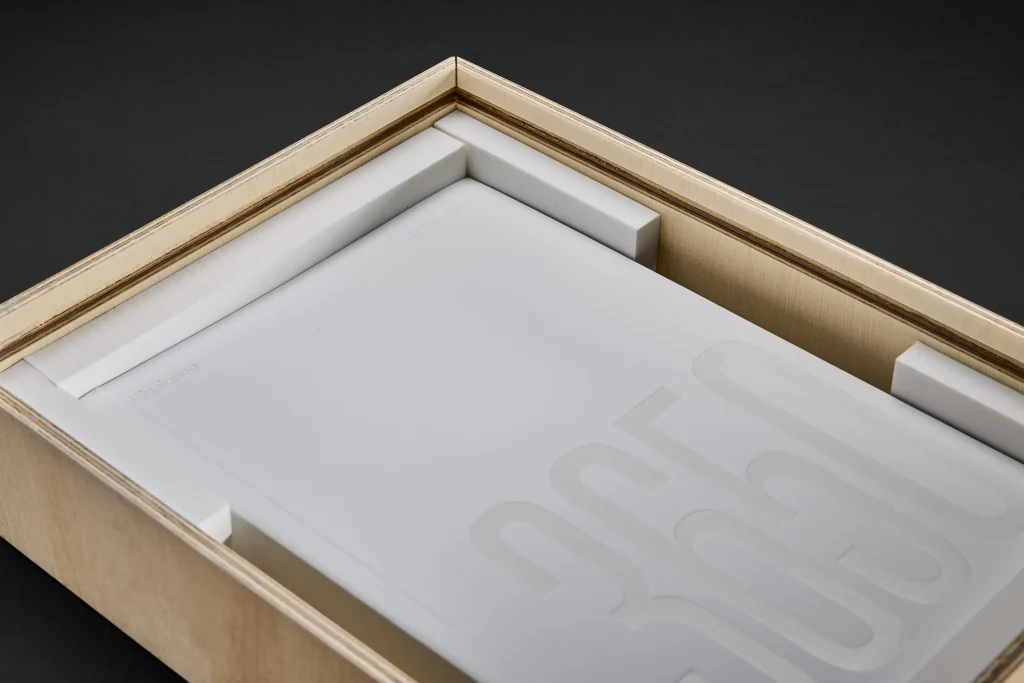
For internal shimming, the eco-friendly alternatives to polystyrene and polyurethane foams These materials are now mature: corrugated cardboard, molded fiber, honeycomb cardboard, and biofoam like the one developed by Woamy effectively protect fragile products while remaining recyclable. These solutions integrate perfectly into a box lined with cork or sliced wood without compromising the overall environmental sustainability.
Maestro's expertise: integrating these materials without losing control
Working with cork, sliced wood, or vegetable-tanned leather on premium boxes is not something that can be done on a whim. Each material imposes specific constraints: bonding tolerances, behavior in humid conditions, compatibility of adhesives with recyclability, and the durability of inks and finishes on non-paper surfaces. A production manager or art director who ventures into these areas without an experienced technical partner risks costly revisions of proofs and quality issues that are difficult to correct in production.
At Maestro, our positioning as a technical manufacturing office is particularly relevant for these complex projects. We physically supervise manufacturing in our partner workshops in Italy and China thanks to our dual supervised production approach, We anticipate technical incompatibilities before launch and document end-to-end material traceability. Whether you're developing a laser-engraved sliced wood spirits box, a cosmetic case covered in certified cork, or a jewelry box in hot-stamped gold imitation leather, our role is to translate your creative vision into a finished product without waste, on time, and with the CSR evidence your management requires.
You can discover our achievements in premium packaging in our gallery of achievements. For a specific project, our team is available via the contact page.
Choose wisely for sustainable premium packaging
Cork, vegetable-tanned leather, and sliced wood are not passing fads. They respond to a structural demand for sensory appeal, differentiation, and responsibility in premium packaging. But their successful integration relies on rigorous technical expertise, certified sourcing, and the ability to document every material choice. This is precisely what Maestro provides its clients, from the initial briefing meeting to warehouse delivery.
FAQ
Is plant-based leather derived from plants like pineapple or cactus suitable for mass production of packaging?
These materials, of which Piñatex and Desserto are the best-known examples, are still primarily used in leather goods and small experimental production runs. Their integration into packaging on a large scale is hampered by issues of availability, cost, and industrial standardization. By 2026, they will likely remain more of a communication tool for very limited editions than a mainstream production solution.
What is the concrete difference between leather-effect paper and PU imitation leather for a premium box?
Leather-effect paper is a paper substrate whose surface has been embossed and treated to mimic the grain of leather. It remains in the paper recycling stream and is recyclable under normal conditions. PU imitation leather is a synthetic coating bonded to cardboard, which provides a feel closer to genuine leather and greater durability, but its separation at the end of its life is more complex. The choice depends on the desired level of reusability and the project's CSR (Corporate Social Responsibility) constraints.
Is FSC certification required to use cork in luxury packaging?
Cork is not always covered by FSC certification, which primarily concerns sustainably managed forests. Specific certifications exist for the cork industry, and some suppliers offer guarantees of traceable origin. For a tender within a major luxury group, it is advisable to request documentation of origin and, if possible, a recognized certification to justify the material choice to the purchasing and CSR teams.
Can sliced wood be combined with hot foil stamping on a spirits box?
Yes, hot foil stamping on sliced wood is technically possible but requires precise control of pressure and temperature to avoid burning or peeling the veneer. This finish is particularly prized on premium cognac or whisky boxes, where it enhances the impression of rarity and craftsmanship. Workshop supervision by an experienced technician is essential to guarantee consistency across a production run.
What eco-friendly packing materials should be preferred for a luxury box with a fragile insert?
The most consistent solutions for a responsible luxury positioning are custom-molded fiber, die-cut honeycomb cardboard, and micro-fluted corrugated cardboard. These materials offer effective mechanical protection, attractive visual appeal, and complete recyclability within the paper and cardboard recycling stream. Biofoam, still under industrial development, represents a promising alternative for complex-shaped inserts.
How can the additional cost of packaging made from alternative materials be justified to a finance department?
The strongest argument remains measurable perceived value: market research in the premium spirits and cosmetics sectors consistently shows that packaging directly influences the purchasing decision and the psychological price point accepted by the consumer. A cork or sliced wood box immediately positions the product in a higher price range, reduces the need for promotional discounts, and extends the product's lifespan, as it often becomes a reused container for the buyer.